Employee appreciation events, company celebrations, annual parties, award ceremonies, team gatherings, and internal conferences are important opportunities for organizations to bring employees together. Although these events may appear simpler than large public conferences, they can still involve complex planning requirements.
Organizers may need to manage employee invitations, guest information, dietary requirements, transportation, seating, entertainment, venue capacity, attendance confirmations, and last-minute changes. Event registration software can help companies organize these details through a centralized digital process.
Instead of relying on spreadsheets, email chains, and manual RSVP lists, companies can provide employees with a structured registration experience.
Why Employee Events Need Organized Registration
Corporate events can involve hundreds or thousands of employees across different departments and locations.
An employee appreciation dinner, for example, may require information about:
- Employee attendance
- Plus-one guests
- Dietary preferences
- Seating requirements
- Transportation
- Department
- Location
- Special accommodations
Collecting this information manually can create unnecessary administrative work.
Event registration software provides a centralized approach for collecting and managing attendee details.
This allows event organizers to create registration forms that are specifically designed for the event.
Creating Simple Employee Invitations
The first step in many internal events is inviting employees.
Companies can send digital invitations containing event details, registration instructions, location information, schedules, and deadlines.
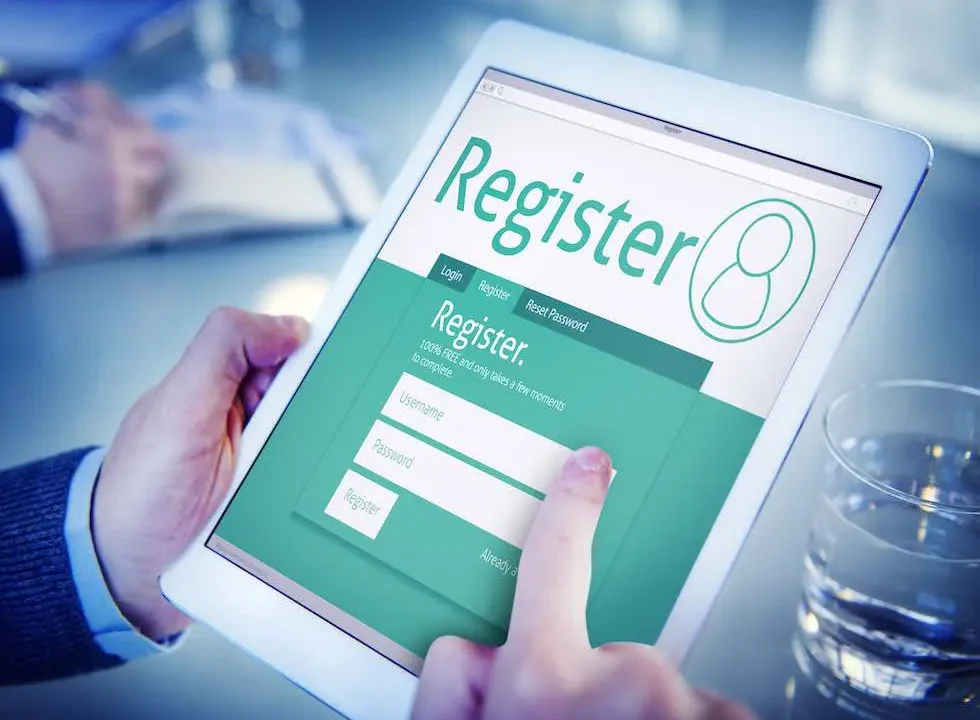
Event registration software can provide a registration page where employees confirm whether they will attend.
Instead of asking employees to respond by email, organizations can direct everyone to one structured registration process.
This makes the RSVP process easier to track.
Managing Plus-One Guests
Company celebrations often allow employees to bring spouses, partners, family members, or other guests.
Managing additional guests through email can become confusing because organizers need to know how many people will attend and which meals or activities they require.
Event registration software can allow employees to add guest information during registration.
The form may collect:
- Guest name
- Guest type
- Dietary preference
- Accessibility requirements
- Transportation needs
This gives organizers a clearer picture of expected attendance.
Managing Food and Dietary Requirements
Corporate dinners, lunches, holiday parties, and appreciation events often involve catering.
Caterers need accurate information about meal quantities and dietary requirements.
An employee registration form can collect information such as:
- Vegetarian meals
- Vegan meals
- Allergy information
- Religious dietary preferences
- Special meal requirements
Event registration software can organize this information so event teams can share appropriate totals with catering providers.
Accurate data can help reduce waste while supporting a better guest experience.
Supporting Employee Recognition Events
Recognition events often celebrate employee achievements, anniversaries, promotions, milestones, or awards.
These events may involve nominees, managers, executives, presenters, and guests.
Event registration software can create separate registration categories for different participant groups.
For example, an organization might have:
- General employees
- Award recipients
- Executives
- Presenters
- Guests
- Event staff
Each category can receive the information relevant to its role.
Managing Corporate Celebrations
Annual celebrations and company parties can involve large numbers of employees.
An organization may operate offices across several cities or regions. Managing attendance separately for every location can make planning difficult.
Event registration software can centralize registration information while allowing organizers to create different event locations or registration groups.
This can be especially useful for companies that organize regional employee events.
Integrating Payment When Necessary
Many internal corporate events are fully company-funded. However, some organizations may charge employees for optional activities, guest tickets, premium experiences, or external participation.
Where payments are required, registration software can connect registration with online payment processing.
Payment providers such as Stripe and PayPal are examples of payment technologies that may be supported depending on the registration solution.
Combining payment and registration can reduce the need for separate records.
Improving Event Communication
Corporate event information can change quickly. Venues may change, schedules may be updated, or transportation details may be modified.
Event registration software can help event teams communicate with registered attendees.
Organizers may send:
- Registration confirmations
- Event reminders
- Venue instructions
- Parking information
- Transportation details
- Schedule updates
- Last-minute announcements
- Post-event messages
This can make communication more structured than relying on individual email conversations.
Managing Employee Conferences and Internal Meetings
Not every company event is a celebration. Organizations also organize internal conferences, leadership meetings, sales meetings, training programs, and company-wide gatherings.
These events may involve multiple sessions and departments.
Event registration software can help employees select sessions or activities when the event schedule requires advance planning.
For example, employees attending a company conference may select:
- Leadership workshops
- Technical sessions
- Sales training
- Product demonstrations
- Networking sessions
This information can help organizers understand room requirements and session demand.
Supporting Check-In
Registration management should also cover the arrival process.
Large corporate events can create queues when staff manually search through attendee lists.
Event registration software can support digital check-in using attendee records, QR codes, confirmation details, or other credentials.
Employees can arrive, verify their registration, and proceed into the event with less administrative friction.
Connecting With Corporate Communication Tools
Modern businesses often use communication and collaboration platforms to coordinate employees.
Tools such as Microsoft Teams may be part of a company’s internal communication environment.
Depending on available integrations, event registration data can potentially be incorporated into broader communication workflows.
This can help employees receive relevant event information through channels they already use.
Supporting Remote Employees
Companies with distributed workforces need to consider employees who work remotely.
An internal event may offer both physical and virtual participation.
Event registration software can distinguish between in-person and online attendance.
Virtual attendees can receive appropriate instructions, while physical attendees can receive venue and transportation information.
This makes the registration process more flexible for modern workplaces.
Managing Seating and Venue Capacity
Employee events often involve limited venue capacity.
A company may have a ballroom that can accommodate a specific number of guests. If employees can bring additional guests, capacity can be reached quickly.
Event registration software can help organizers monitor attendance levels.
Registration limits can help prevent overbooking and provide organizers with a clearer understanding of expected attendance.
Protecting Employee Event Information
Corporate events may involve employee names, contact information, dietary requirements, and guest details.
Organizations should consider how registration data is collected, stored, accessed, and retained.
Access controls, appropriate security practices, responsible data handling, and suitable privacy policies are important considerations when selecting registration technology.
Companies should review the security and privacy documentation of any software provider before using it for employee information.
Measuring Event Participation
After an employee event, organizations may want to understand participation levels.
Registration data can help answer questions such as:
- How many employees registered?
- How many actually attended?
- Which locations had the highest participation?
- How many guests attended?
- How many employees selected virtual attendance?
- How many registrations were cancelled?
This information can support planning for future events.
Selecting Event Registration Software
Companies should consider their specific needs when selecting Event registration software.
Important features may include:
- Custom registration forms
- Employee and guest registration
- Attendance tracking
- Email communication
- Payment support
- Capacity management
- Check-in
- Reporting
- Integrations
- Mobile accessibility
- Data management
- Customer support
The best configuration depends on the company’s workforce, event type, number of attendees, and technology environment.
Conclusion
Event registration software can simplify the planning and administration of employee appreciation events, company celebrations, internal conferences, recognition ceremonies, and team gatherings. By centralizing RSVPs, guest information, meal preferences, communication, attendance, and reporting, organizations can reduce manual administrative work.
A well-organized registration process can help event teams focus more on creating meaningful employee experiences and less on managing spreadsheets and disconnected information.


One thought on “How Event Registration Software Simplifies Employee Appreciation and Company Events”