Category: Home Improvement

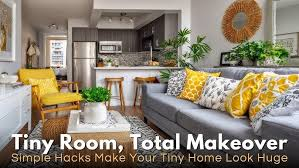
  • Space-Saving Furniture Ideas for Modern Homes

    Space-Saving Furniture Ideas for Modern Homes

    In today’s world, urban living spaces are getting smaller, making it essential to optimize every inch of your home. Implementing space-saving furniture ideas is a practical and stylish solution to maximize functionality without sacrificing design. Whether you live in a compact apartment or want to declutter your living space, choosing the right furniture can transform your home into an efficient, comfortable environment.

    Multifunctional Furniture: The Heart of Space-Saving Design

    One of the most effective strategies in modern interior design is utilizing multifunctional furniture. Pieces that serve more than one purpose help eliminate the need for excess items, making your home feel more spacious. A popular choice is the sofa bed. These are ideal for small living rooms or studios, providing a comfortable seating area during the day and converting into a bed at night. Brands like IKEA are known for innovative designs like the FÄRLÖV sofa bed that combines style with practicality.

    Another example of multifunctional furniture is a storage ottoman. It acts as a footrest, extra seating, and storage solution for items like blankets, magazines, or toys. Companies such as West Elm offer sleek storage ottomans that blend seamlessly into modern décor. Similarly, expandable dining tables are perfect for compact apartments. These tables stay small for everyday use but can extend to accommodate guests, balancing space efficiency with functionality.

    Wall-Mounted and Foldable Furniture

    Wall-mounted furniture is a brilliant solution for maximizing floor space. Floating desks and wall-mounted shelves keep the floor area free, making rooms feel larger. For instance, Wayfair provides a variety of floating desks that can be folded away when not in use, ideal for remote work setups in small spaces. Floating shelves also act as display units and storage for books, décor, or kitchen essentials.

    Foldable furniture is another smart approach. Foldable chairs and tables can be stored away when not in use, reducing clutter. Products like the Murphy bed, a classic wall bed design, have evolved into contemporary versions with built-in desks and shelving. Resource Furniture, a company specializing in space-saving designs, offers sophisticated solutions like wall beds with integrated sofas and desks.

    Creative Storage Solutions

    Clutter is the enemy of small spaces, and incorporating smart storage options is key. Under-bed storage drawers and beds with built-in cabinets make use of otherwise wasted space. For loft apartments, loft beds with desks or wardrobes underneath can double functionality. Wayfair and IKEA offer customizable solutions that fit any bedroom size.

    Vertical storage is also an excellent strategy. Tall bookcases, stacked storage cubes, or modular shelving units can store items efficiently while keeping floors clear. Modular units from The Container Store allow homeowners to adjust configurations as storage needs evolve, perfect for dynamic living spaces.

    Compact Kitchen and Dining Solutions

    Kitchens often suffer from lack of space, but innovative furniture ideas can make cooking and dining more comfortable. Pull-out pantries save space while keeping essentials organized. Drop-leaf tables and stackable chairs offer flexible dining options for apartments without sacrificing style. Crate & Barrel provides compact dining sets specifically designed for small spaces, blending efficiency with aesthetics.

    For countertops, extendable kitchen islands provide extra prep space and can double as breakfast bars. CB2 and IKEA have sleek, modern designs that enhance functionality without crowding the room. Incorporating magnetic spice racks and wall-mounted utensil holders further reduces clutter in limited kitchens.

    Space-Saving Solutions for Living Rooms

    The living room is often the hub of a home, and using space wisely is critical. Nesting tables are a versatile solution—they function as coffee tables and can be stacked together when extra space is needed. Convertible sofas, as mentioned earlier, are also excellent for accommodating guests without permanent bulky furniture.

    Consider vertical entertainment units as well. Wall-mounted TV stands with built-in storage shelves allow for a clutter-free setup while keeping electronics organized. Brands like Wayfair and Pottery Barn offer modular entertainment units suitable for both contemporary and traditional interiors.

    Bedroom Space Optimization

    Bedrooms in small apartments require careful furniture planning. Platform beds with drawers are ideal for storing clothing and linens. For those with limited closet space, wardrobes with sliding doors are space-efficient alternatives to conventional hinged doors. IKEA’s PAX wardrobe system allows customization with drawers, shelves, and hanging spaces, maximizing bedroom functionality.

    For additional efficiency, corner shelves and floating bedside tables can store essentials without occupying floor space. Adding mirrors to small bedrooms also creates an illusion of space while reflecting natural light, enhancing the overall room design.

    Home Office Space-Saving Ideas

    With the rise of remote work, small home offices are more common than ever. A wall-mounted fold-out desk is an excellent solution for small rooms or apartments. Compact office chairs that tuck under the desk when not in use free up floor space. IKEA’s MICKE series provides desks with cable management and integrated storage, ideal for minimalistic setups.

    Vertical storage, such as floating shelves for books and office supplies, keeps the workspace organized. Modular storage cubes allow homeowners to adapt their setup as work needs change, making small home offices more functional and efficient.

    Outdoor and Balcony Furniture Solutions

    Even outdoor spaces benefit from space-saving furniture. Foldable patio chairs and stackable tables allow you to enjoy the outdoors without permanent bulky furniture. Storage benches on balconies serve as seating and storage for gardening tools or cushions. Target and Wayfair offer compact outdoor furniture sets that fit small terraces or patios, making outdoor living enjoyable and practical.

    Tips for Choosing Space-Saving Furniture

    1. Measure Before Buying: Knowing your room dimensions ensures furniture fits perfectly.
    2. Prioritize Multi-Functionality: Choose items that serve more than one purpose.
    3. Use Vertical Space: Floating shelves, tall storage units, and lofted beds optimize height.
    4. Choose Lightweight and Foldable Pieces: This allows flexibility in room layout.
    5. Stick to Minimalist Designs: Sleek, modern furniture keeps small spaces feeling open.

    Conclusion

    Space-saving furniture ideas are not just a trend—they are a necessity for modern urban living. By carefully selecting multifunctional, wall-mounted, and foldable furniture, you can maximize every square foot of your home. Incorporating creative storage, compact kitchen solutions, and efficient bedroom layouts ensures both comfort and style. Brands like IKEA, Wayfair, Resource Furniture, and West Elm provide a wide range of options suitable for any small living space. With the right approach, even the tiniest apartments can feel spacious, organized, and aesthetically pleasing.

  • Ultimate Interior Décor Hacks to Transform Your Space

    Ultimate Interior Décor Hacks to Transform Your Space

    Interior décor hacks are essential for anyone looking to upgrade their living space without spending a fortune. Whether you are decorating your first apartment, refreshing your home, or redesigning a commercial interior, smart décor tips can dramatically improve aesthetics and functionality. In this comprehensive guide, we will explore practical, budget‑friendly, and creative interior décor hacks to help you elevate your space. These strategies focus on lighting, color schemes, furniture placement, accent features, and sustainable décor practices that resonate with the latest interior design trends.

    Understanding the Basics of Interior Décor

    Interior décor is more than just arranging furniture; it is about creating balance, harmony, and personality within a space. The fundamental elements of interior décor include color, texture, scale, lighting, and composition. When you apply these fundamentals effectively, you establish a cohesive environment that feels intentional and stylish. One useful interior décor hack is to start with a design concept or theme, such as minimalist modern, bohemian chic, or mid‑century contemporary, and build your décor elements around it. Consistency in style ensures that each piece you introduce enhances the overall look of the room.

    Choosing the Perfect Color Palette

    Selecting the right color palette is one of the most impactful interior décor hacks for enhancing mood and spatial perception. Neutral hues like beige, grey, and cream provide a timeless backdrop, while bold accent colors like navy, emerald green, or terracotta can add vibrancy and depth. To create a visually appealing space, follow the classic 60‑30‑10 rule: 60 percent dominant color (walls and large furniture), 30 percent secondary color (upholstery and rugs), and 10 percent accent color (decorative accessories). This interior décor strategy ensures balance and visual interest.

    Maximizing Small Spaces with Smart Furniture

    Small space décor requires ingenuity. Multi‑functional furniture is an effective interior décor hack for compact apartments or rooms with limited square footage. Pieces like sofa beds, extendable dining tables, ottomans with storage, and wall‑mounted desks serve dual purposes, allowing you to maximize utility without clutter. Floating shelves and modular storage units help keep essentials organized while maintaining an open feel. Additionally, selecting furniture with exposed legs can make a room feel airier and more spacious compared to solid, bulky pieces.

    Strategic Lighting for Enhanced Ambiance

    Lighting has a transformative effect on any interior. A common interior décor hack is layering lighting to create dimension. Combine ambient lighting (overhead fixtures) with task lighting (desk lamps, reading lights) and accent lighting (wall sconces, LED strips) to achieve a balanced and inviting atmosphere. Natural light is equally important; use sheer curtains to let daylight filter in, and strategically place mirrors to reflect light and make rooms appear larger. Choosing warm‑tone bulbs can also enhance coziness, especially in living rooms and bedrooms.

    Wall Décor Tricks to Add Character

    Walls offer a blank canvas for creative décor hacks. Installing gallery walls with family photos, framed art prints, or geometric wall art instantly injects personality. For a modern twist, use floating picture ledges—these allow you to layer art pieces and change displays without damaging walls with excessive nails. Accent wallpapers and textured panels can create a focal point in spaces like entryways or behind a bed. Be mindful of scale; large walls benefit from oversized art, while smaller sections work well with curated collections.

    Flooring and Rug Placement for Cohesion

    Flooring is a major aspect of interior décor that often goes overlooked. Using area rugs strategically can anchor seating areas, define zones in open‑plan layouts, and add warmth. A common interior décor hack is choosing a rug that extends under all furniture in a seating arrangement; this creates a cohesive and polished look. Layering rugs—placing a smaller patterned rug over a larger neutral base—adds depth and texture. For hardwood or tile floors, consider eco‑friendly options like jute or sisal rugs that offer durability and natural appeal.

    Incorporating Greenery and Natural Elements

    Bringing nature indoors is a powerful interior décor hack that enhances aesthetics and improves well‑being. Indoor plants like snake plants, pothos, and fiddle leaf figs add life to any room and purify the air. Place tall plants in corners to fill negative space and smaller plants on shelves or coffee tables for visual interest. Decorative planters in materials like terracotta, ceramic, or woven baskets contribute to texture variety. Complement greenery with natural elements like stone, wood, and woven textiles to establish an organic, calming environment.

    Creative Storage Solutions

    Clutter‑free spaces feel more luxurious and inviting. Clever storage is an indispensable interior décor hack for maintaining order without compromising style. Use decorative baskets, under‑bed storage drawers, and built‑in shelves to hide clutter. Wall hooks and pegboards are practical for organizing accessories, bags, or kitchen utensils while doubling as décor features. In bathrooms, install floating cabinets or tiered shelves to optimize vertical space. When storage pieces match your color palette and décor theme, they enhance aesthetics as well as functionality.

    Styling Coffee Tables and Shelving

    Coffee tables and open shelves are opportunities to showcase your personality. A simple interior décor hack is to use the “three‑layer rule” when styling: large items at the back (books, frames), medium pieces in the center (vases, sculptures), and small décor in the front (candles, trinkets). Grouping objects in odd numbers—such as sets of three or five—creates visual harmony. Rotate décor seasonally to refresh your interior without significant expense. Avoid overcrowding; negative space is essential for a curated, intentional appearance.

    Bedroom Décor Hacks for Comfort and Style

    The bedroom should be a sanctuary, and smart décor choices enhance comfort and aesthetics. Start with high‑quality bedding in complementary colors and layer with textured throws and pillows. An interior décor hack for creating a focal point is to use a headboard with an interesting shape, color, or material. Bedside tables with matching lamps provide symmetry and functionality. Incorporating blackout curtains improves sleep quality while maintaining style. Personal touches such as framed photos, artwork, or a cozy reading nook make the bedroom uniquely yours.

    Bathroom Decor on a Budget

    Bathrooms often get overlooked, but small changes dramatically elevate the space. Swap outdated fixtures with sleek, modern alternatives like brushed brass or matte black finishes. An easy interior décor hack is to use peel‑and‑stick tiles on vanity backsplashes for an upgraded look without renovation costs. Add plush mats, neatly folded towels, and decorative soap dispensers to create a spa‑like experience. Floating shelves or ladder shelves provide extra storage and display space for plants or scented candles.

    Sustainable Décor Solutions

    Sustainable décor is not only environmentally conscious but also stylish. Repurpose old furniture with paint, new hardware, or upholstery. Thrift and antique stores are treasure troves for unique pieces with character. Choose eco‑friendly materials like bamboo, cork, or reclaimed wood for décor and furniture. Using low‑VOC paints improves indoor air quality. Sustainable décor is an enduring interior décor hack that supports both planet and style.

    Final Thoughts on Interior Décor Hacks

    Applying smart interior décor hacks elevates your space while reflecting your personality and lifestyle. Whether through strategic lighting, color coordination, multifunctional furniture, or sustainable choices, every element contributes to a harmonious whole. Focus on balance, consistency, and creativity to transform every room into a beautiful, functional environment. Keep experimenting with décor ideas and stay updated with evolving design trends to ensure your space always feels fresh and inviting. With these interior décor hacks, you will not only create visually appealing interiors but also enhance comfort and livability in every corner of your home.

  • Sustainable Home Design: The Ultimate Guide to Eco‑Conscious Living

    Sustainable Home Design: The Ultimate Guide to Eco‑Conscious Living

    Sustainable home design is a holistic approach to creating living spaces that minimize negative environmental impact, reduce resource consumption, and promote healthier lifestyles. At its core, sustainable home design integrates principles of environmental responsibility, efficient resource use, and enhanced comfort to create homes that are greener, resilient, and future‑ready. This comprehensive guide explores essential aspects of sustainable home design, from energy efficiency and water conservation to materials, indoor environmental quality, and real‑world examples that inspire greener living.

    What Is Sustainable Home Design?

    Sustainable home design refers to the practice of planning, constructing, and outfitting residential buildings in ways that decrease environmental impact and support long‑term ecological balance. Closely related to the concept of a Green home, sustainable home design focuses on efficient use of energy, water, materials and space while improving comfort and indoor health. This approach moves beyond traditional design by considering the entire lifecycle of a home—from the sourcing of materials to daily operation and eventual reuse or recycling.

    Why Sustainable Home Design Matters

    Environmental professionals and designers emphasize sustainable home design because buildings account for a significant portion of global energy consumption and carbon emissions. Sustainable homes reduce reliance on fossil fuels, minimize waste, improve indoor environmental quality, and often lower monthly utility costs for occupants. In an era where climate change and resource scarcity are pressing concerns, adopting sustainable design practices is no longer optional—it is essential.

    Core Principles of Sustainable Home Design

    Understanding the principles behind sustainable design helps homeowners and builders make informed decisions. Some foundational principles include:

    Energy Efficiency and Renewable Energy Integration

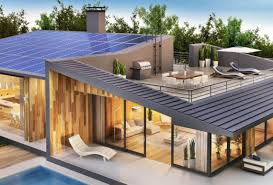
    One of the most important goals of sustainable home design is maximizing energy efficiency. This includes passive design strategies that reduce reliance on mechanical heating and cooling systems. Passive solar design involves orienting a home to capture solar energy for heating in winter while minimizing heat gain in summer. Well‑placed windows, roof overhangs, and materials with high thermal mass such as concrete or stone help regulate indoor temperatures naturally.

    Renewable energy technologies—such as solar panels and, in some cases, small wind systems—can be integrated to provide clean power. Homes designed to generate as much energy as they consume are often called net‑zero energy homes, a key objective in sustainable residential design.

    Water Conservation and Management

    Efficient water use is another critical element. Sustainable home design incorporates methods such as rainwater harvesting systems that collect and store rainwater for irrigation or other non‑potable uses, reducing dependence on municipal water supplies. Low‑flow fixtures (e.g., dual‑flush toilets, low‑flow showerheads) further conserve water and significantly reduce household demand. Drought‑tolerant landscaping and smart irrigation systems also minimize outdoor water use.

    Use of Sustainable Materials

    Material selection plays a vital role in reducing a home’s environmental footprint. Sustainable materials are typically renewable, recycled, non‑toxic, and locally sourced. Examples include reclaimed wood, recycled steel, cork flooring, bamboo, hempcrete, and natural stone. Such choices reduce waste, lower embodied carbon, and often provide healthier indoor air quality.

    Designers and homeowners should also avoid materials that emit high levels of volatile organic compounds (VOCs), choosing low‑VOC paints and finishes to improve indoor air quality and occupant health.

    Indoor Environmental Quality (IEQ)

    Sustainable home design places a strong emphasis on healthy indoor environments. Adequate ventilation, access to natural daylight, and the use of non‑toxic materials all contribute to higher IEQ. Clean air not only enhances comfort but also supports physical health, reducing the risk of respiratory issues and allergies.

    Waste Minimization and Circular Design

    Minimizing waste begins before construction. Thoughtful planning can avoid excess materials and go further by incorporating recycling, reuse, and upcycling. Homes can include dedicated spaces for waste sorting and composting, while furniture and fixtures made from reclaimed or recycled elements help close the loop on material use.

    Sustainable Features Every Home Should Consider

    To achieve a truly sustainable home, certain features enhance both ecological performance and everyday living quality. Below are some of the most impactful:

    High‑Performance Insulation and Building Envelope

    A tight building envelope—with quality insulation and energy‑efficient windows—reduces heat loss and gain, lowering the need for mechanical temperature control. This is fundamental for reducing energy consumption year‑round.

    Green Roofs and Vegetated Surfaces

    The Green roof is an increasingly popular sustainable feature. Covered with vegetation, green roofs provide thermal insulation, reduce urban heat island effects, improve stormwater management, and create habitats for urban biodiversity.

    Natural Lighting and Ventilation

    Maximizing natural light improves both energy efficiency and occupant well‑being. Design elements such as skylights, clerestory windows, and large glazed openings reduce dependency on artificial lighting and support better air circulation throughout the home.

    Efficient Appliances and Smart Home Systems

    Choosing appliances with high energy ratings (such as Energy Star certified models) and integrating smart home systems can optimize energy use. Smart thermostats, sensors, and automated systems ensure that energy and water are used only when needed, drastically cutting utility costs.

    Passive Heating and Cooling Strategies

    Homes that leverage the sun’s energy can remain comfortable with minimal mechanical systems. Features like thermal mass, strategic shading, and natural ventilation pathways all contribute to passive temperature regulation.

    Water Recycling and Greywater Systems

    Greywater systems reuse gently used water from sinks and showers for toilet flushing or irrigation. Such systems greatly extend usable water resources and amplify the impact of water efficiency measures.

    The Benefits of Sustainable Home Design

    Adopting sustainable design yields immediate and long‑term benefits:

    Reduced utility costs: Lower energy and water use mean smaller monthly bills.

    Lower carbon footprint: Energy efficiency and renewable systems cut greenhouse gas emissions.

    Improved health: Better indoor air quality enhances occupant comfort and reduces disease risk.

    Increased property value: Sustainable homes often attract higher resale value and appeal to eco‑conscious buyers.

    Resilience and self‑sufficiency: Features like rainwater harvesting, solar energy, and well‑insulated envelopes improve resilience against climate extremes and service disruptions.

    Real‑World Examples of Sustainable Home Design

    A number of innovative projects worldwide illustrate how sustainable design works in practice. One such example is the BrightBuilt Barn, a net‑zero home in Rockport, Maine. This project showcases principles of sustainable building, combining high performance with cutting‑edge design to minimize energy use and environmental impact.

    Across the globe, sustainable home design is evolving. From off‑grid houses built with recycled materials to passive solar dwellings optimized for local climates, these examples inspire homeowners and designers to push the boundaries of eco‑conscious living.

    Challenges and Future Trends

    Although sustainable home design offers significant benefits, challenges remain. Some features require higher upfront investment or specialized expertise. However, as sustainable technologies advance and demand grows, costs are declining and expertise is becoming more accessible.

    Future trends include the expansion of 3D‑printed sustainable homes using bio‑based materials, increased use of modular and prefabricated systems to reduce waste, and deeper integration of AI‑driven energy systems for optimized performance.

    Conclusion

    Sustainable home design is not just a trend—it is a necessary evolution in how we create, inhabit, and care for our living environments. By prioritizing energy efficiency, water conservation, smart material choices, and indoor environmental quality, homeowners can reduce environmental impact while enhancing health, comfort, and long‑term value. Embracing these principles transforms a house into a sustainable home—one that harmonizes with the planet and supports the well‑being of those who live within it.

    Sustainable home design is about making conscious choices that benefit both people and the planet. From using local, reclaimed materials to implementing smart water systems and passive design strategies, every decision contributes to a greener, more equitable future. Whether building new or retrofitting existing spaces, sustainable design principles offer a roadmap to more resilient and environmentally responsible living.

  • Ultimate Guide to Home Automation Solutions

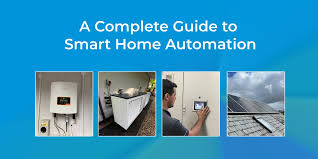
    Ultimate Guide to Home Automation Solutions

    Introduction to Home Automation Solutions

    Home automation solutions have transformed the way people interact with their living spaces. What was once considered futuristic technology is now a mainstream lifestyle enhancement. Home automation — also known as smart home technology — empowers homeowners to control lighting, climate, entertainment systems, security, and household appliances with increased efficiency and convenience. Today’s most advanced home automation solutions utilize integrated software, smart devices, and Internet of Things (IoT) connectivity to deliver responsive, personalized experiences tailored to daily routines and individual preferences. As smart home adoption rises globally, understanding home automation solutions — including key platforms like Amazon Alexa, Google Home, and Apple HomeKit — is essential for consumers and businesses seeking comfort, energy savings, and security.

    What Are Home Automation Solutions?

    Home automation solutions refer to systems and technologies that enable automated control of household functions through centralized interfaces such as mobile apps, voice control, or programmed schedules. Unlike traditional electrical systems that require manual operation, smart home automation leverages connected devices that can communicate with one another. These systems are built on IoT networks, allowing devices to send and receive data, respond to user commands, and trigger automated scenarios based on environmental data or user behavior. At the core of home automation solutions are smart devices like smart thermostats, smart locks, smart lighting, smart plugs, and smart sensors.

    The Benefits of Home Automation Solutions

    Convenience and Control

    One of the most compelling benefits of home automation solutions is convenience. With voice assistants like Amazon Alexa and Google Assistant built into platforms such as Google Home and Amazon Echo devices, controlling a smart home becomes effortless. Users can adjust lighting, change thermostat settings, or lock doors with simple voice commands. Mobile apps such as the Samsung SmartThings app or Apple Home app also enable remote control from anywhere with internet access. Whether you are at work or on vacation, you can manage your connected devices seamlessly through smartphone interfaces.

    Enhanced Security

    Security is a principal reason many homeowners adopt smart home solutions. Security-focused automation solutions such as Ring Alarm and Nest Secure integrate video doorbells, motion sensors, smart locks, and monitoring services to provide real‑time alerts and proactive protection. With a smart doorbell like the Ring Video Doorbell Pro or Nest Hello, users receive instant notifications when someone approaches their property, view live video streams, and even communicate with visitors remotely.

    Energy Efficiency and Cost Savings

    Home automation solutions offer significant advantages in energy management. Smart thermostats such as the Nest Learning Thermostat and Ecobee SmartThermostat adjust heating and cooling based on occupancy patterns and environmental conditions, reducing unnecessary energy consumption. Similarly, smart lighting solutions like Philips Hue and LIFX bulbs can be scheduled or triggered to turn off when not in use. These automation strategies help homeowners reduce utility bills while minimizing environmental impact.

    Personalization and Comfort

    Modern home automation solutions enable a high degree of personalization. Users can create custom automation routines, such as having lights dim and temperature adjust when a movie starts, or programming “away mode” to secure the home and lower energy usage when no one is present. With machine learning capabilities embedded in platforms such as Google Home and Apple HomeKit, the system can learn user habits and adjust settings to enhance daily comfort automatically.

    Core Components of Home Automation Solutions

    Smart Lighting

    Smart lighting systems are foundational to most home automation solutions. Brands like Philips Hue, LIFX, and Wyze offer bulbs and lighting strips that connect via Wi‑Fi, Zigbee, or Bluetooth. Homeowners can control lighting individually or in groups, adjust brightness and color temperature, and set schedules to automate lighting behavior. These capabilities extend to outdoor lighting, enabling enhanced security and visual appeal.

    Smart Climate Control

    Smart thermostats have become one of the most widely adopted components of home automation solutions. Devices such as Nest Learning Thermostat, Ecobee, and Honeywell Home offer features that optimize HVAC system performance. They provide remote access, intelligent scheduling, and energy reports. When connected to other sensors around the home, smart climate systems can adapt temperature settings room by room for precise comfort.

    Smart Security Systems

    Home automation solutions often integrate comprehensive security systems. Smart locks from brands like August and Schlage permit keyless entry and remote locking/unlocking. Smart cameras from Arlo and Ring deliver high‑definition surveillance with night vision and motion detection. Combined with smart sensors and professional monitoring services, these solutions enhance safety and peace of mind for occupants.

    Voice Control and Virtual Assistants

    Voice control is central to user adoption of home automation solutions. Amazon Alexa, available on devices like Amazon Echo and Echo Dot, and Google Assistant, built into Google Home and Nest speakers, enable hands‑free interaction with smart devices. Apple HomeKit leverages Siri voice control on iPhone, iPad, and HomePod. These voice assistants allow users to command lighting, thermostats, locks, and more using natural speech.

    Smart Entertainment

    Home entertainment systems also benefit from home automation. Devices such as the Roku Streaming Stick, Amazon Fire TV, and Apple TV work with smart home platforms to integrate media control into automation routines. For example, a voice command can initiate a “movie night” scene that dims lights, adjusts thermostat settings, and launches a favorite streaming service.

    How Home Automation Solutions Work

    Home automation solutions operate through a combination of hardware and software that communicate over wireless networks. IoT‑enabled devices connect to a central hub or directly to a home Wi‑Fi network. Popular hubs include the Samsung SmartThings Hub, Amazon Echo devices with Zigbee support, and dedicated HomeKit hubs like Apple TV or HomePod. Through protocols such as Wi‑Fi, Zigbee, Z‑Wave, and Thread, devices communicate status updates and execute commands.

    The central controller or automation platform acts as the brain of the system, coordinating device actions based on triggers, schedules, or user preferences. Automation rules can be as simple as “turn lights on at sunset” or as advanced as “if motion detected and no one is home, alert user and activate cameras.” Integration with cloud services further enhances system capability by enabling voice recognition, remote control, and machine learning‑based automation.

    Choosing the Right Home Automation Solutions for Your Home

    Selecting the appropriate home automation solutions depends on your objectives, budget, and existing infrastructure. Begin by identifying the most important areas you want to automate — security, energy management, entertainment, or comfort. Next, consider which platforms and devices are compatible with one another. Ecosystem compatibility is vital. For example, if you already use Apple devices and value privacy, Apple HomeKit may be a preferred platform. If you enjoy broad third‑party support and voice control flexibility, Amazon Alexa or Google Assistant platforms may be more suitable.

    Compatibility and Ecosystems

    Compatibility between devices is essential to ensure that your home automation solutions work together harmoniously. Before purchasing a smart device, verify that it supports your chosen automation platform. Look for certifications such as “Works with Alexa,” “Works with Google Home,” or “Works with Apple HomeKit.” A well‑integrated ecosystem prevents fragmentation and enhances user experience.

    Scalability and Flexibility

    Investing in scalable home automation solutions allows for future expansion. Start with a few devices and gradually integrate more components as needed. Choose solutions that support open standards and interoperability, so you’re not locked into a single manufacturer. Flexible systems provide long‑term value and allow you to adjust automation as your needs evolve.

    Security and Privacy Considerations

    Data security and privacy are critical when implementing home automation solutions. Since smart devices collect and transmit data, ensure that manufacturers follow strong encryption standards and offer secure cloud services. Update firmware regularly and use strong, unique passwords for device accounts. Homeowners should also educate themselves about privacy practices and permission settings for voice assistants and connected devices.

    Real‑World Use Cases for Home Automation Solutions

    Smart Lighting for Safety and Ambience

    Smart lighting can be used to simulate occupancy while you’re away, enhancing security. Schedules and automation can also create ambiance for daily routines such as waking up or hosting guests.

    Climate Optimization for Energy Savings

    Smart thermostats analyze usage patterns and adjust heating and cooling schedules to optimize energy consumption. Over time, homeowners can see measurable savings on utility bills without sacrificing comfort.

    Integrated Security for Peace of Mind

    Automated security systems notify users of suspicious activity, enable remote monitoring, and allow instant interaction with visitors. These systems integrate seamlessly with mobile smartphones for on‑the‑go alerts and control.

    Voice‑Activated Assistance

    With voice assistants like Amazon Alexa, Google Assistant, and Siri working across connected devices, controlling your home becomes effortless. Voice commands provide quick access without needing physical interaction with individual devices.

    Conclusion

    Home automation solutions are revolutionizing residential living by delivering convenience, security, energy efficiency, and personalization. As IoT technologies evolve, smart home systems become more intuitive, interoperable, and powerful. Whether you’re upgrading an existing home or building a new smart home ecosystem from scratch, understanding the key components, benefits, and best practices of home automation solutions will empower you to make informed decisions. By choosing compatible platforms and devices, prioritizing security, and leveraging automation to enhance daily life, you can transform your home into a truly intelligent living space.

  • Bathroom Remodeling Tips: Transform Your Space Efficiently

    Bathroom Remodeling Tips: Transform Your Space Efficiently

    Remodeling your bathroom can completely transform the look and feel of your home. With the right planning and execution, a bathroom renovation can enhance functionality, increase property value, and provide a refreshing space for relaxation. Whether you’re undertaking a complete overhaul or a simple upgrade, these bathroom remodeling tips will guide you through the process efficiently.

    Planning Your Bathroom Remodel

    Before starting any renovation, proper planning is crucial. Begin by assessing the current state of your bathroom, considering its size, layout, and functionality. Identify the key elements that need improvement, such as outdated fixtures, poor lighting, or insufficient storage. Creating a clear plan helps prevent costly mistakes during the remodeling process. Tools like Houzz and Pinterest can provide inspiration and practical ideas for modern bathroom designs.

    Consider hiring a professional contractor or designer for more extensive renovations. Professionals can offer insights on plumbing solutions, lighting layouts, and ventilation systems, ensuring your bathroom remodel is safe and compliant with building codes.

    Choosing the Right Bathroom Layout

    A well-planned layout maximizes space and enhances usability. For small bathrooms, a corner shower or floating vanity can create a more open feel. Larger bathrooms offer opportunities for luxurious additions like freestanding bathtubs or double vanities. Popular layout styles include L-shaped bathrooms, galley-style bathrooms, and wet rooms, which are increasingly favored for their modern, spa-like appeal.

    When redesigning the layout, consider the placement of toilets, sinks, and showers to optimize flow. Ensuring adequate space for movement and accessibility is essential for both comfort and safety.

    Selecting Bathroom Fixtures and Materials

    The choice of fixtures and materials greatly impacts both aesthetics and durability. Opt for high-quality porcelain sinks, ceramic tiles, and tempered glass shower enclosures to ensure longevity. Moen and Kohler are trusted brands offering modern faucets, showerheads, and bathroom accessories that combine style with performance.

    When selecting tiles, consider both style and functionality. Porcelain tiles are waterproof and low-maintenance, making them ideal for bathrooms. For a touch of luxury, marble tiles or granite countertops can add elegance but require more maintenance. LED lighting fixtures are energy-efficient and can enhance the overall ambiance of your bathroom.

    Enhancing Bathroom Storage

    Effective storage solutions prevent clutter and maintain a clean, organized bathroom. Wall-mounted cabinets, recessed shelves, and mirrored medicine cabinets are practical options for maximizing space. Consider custom storage solutions if you have an irregular bathroom layout.

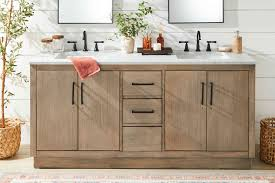
    Vanity units with drawers and organizers help keep toiletries accessible and tidy. IKEA offers a variety of customizable bathroom storage solutions that blend functionality with modern design. Additionally, baskets and decorative containers can provide stylish storage for towels and personal items.

    Bathroom Lighting Tips

    Proper lighting is essential for both functionality and ambiance. A combination of ambient, task, and accent lighting creates a well-lit and inviting space. Use vanity lights around mirrors for accurate grooming and overhead lights for general illumination. LED strips under vanities or cabinets can add a contemporary touch and improve visibility.

    Natural lighting is another valuable component. If your bathroom has windows, consider frosted glass or privacy films to maintain privacy while allowing sunlight in. Skylights are an excellent option for brightening interior bathrooms.

    Flooring and Wall Considerations

    Bathroom flooring must be water-resistant, slip-resistant, and easy to clean. Popular choices include ceramic tiles, vinyl flooring, and stone tiles. Heated floors are an increasingly popular feature, providing comfort during colder months.

    For walls, moisture-resistant paint or waterproof wall panels can prevent mold and damage. Subway tiles remain a classic choice, offering a timeless look that complements various bathroom styles. Accent walls with mosaic tiles or textured finishes can add visual interest and personality to your space.

    Upgrading Bathroom Plumbing

    Plumbing upgrades are often necessary during a remodel, particularly in older homes. Replacing outdated pipes with PEX piping or copper plumbing ensures reliability and prevents leaks. Consider installing low-flow toilets and faucets to conserve water while maintaining performance. Modern tankless water heaters provide instant hot water and save space, enhancing both efficiency and comfort.

    Professional plumbing installation is recommended to avoid costly mistakes and ensure your bathroom meets safety standards.

    Incorporating Eco-Friendly Features

    Sustainable bathroom remodeling is not only good for the environment but also reduces utility costs. Water-saving fixtures like dual-flush toilets and low-flow showerheads are environmentally friendly options. Choosing LED lighting and energy-efficient ventilation systems reduces energy consumption.

    Eco-friendly materials such as bamboo vanities, recycled glass tiles, and non-toxic paints contribute to a healthier bathroom environment. Incorporating natural light and proper ventilation helps prevent mold growth, further promoting sustainability.

    Adding Luxurious Touches

    Luxury elements can transform an ordinary bathroom into a spa-like retreat. Consider installing a freestanding soaking tub, a rainfall showerhead, or a heated towel rack. Smart technology integration, such as voice-controlled lighting or digital shower systems, enhances convenience and adds a modern touch.

    Decorative elements like stylish mirrors, elegant hardware, and plants can elevate the overall aesthetic. Even simple additions like plush towels and scented candles contribute to a relaxing atmosphere.

    Maintenance and Long-Term Care

    After remodeling, regular maintenance ensures your bathroom stays in excellent condition. Clean tiles and grout routinely to prevent mold, and inspect plumbing for leaks. Maintain ventilation systems to avoid moisture buildup, which can damage fixtures and walls. Choosing durable, low-maintenance materials during the remodel minimizes long-term upkeep.

    Conclusion

    A successful bathroom remodel combines thoughtful planning, high-quality materials, and smart design choices. By considering layout, fixtures, lighting, storage, plumbing, and eco-friendly options, you can create a bathroom that is functional, stylish, and durable. Following these bathroom remodeling tips will help you achieve a space that enhances both your home’s value and your daily life. Whether you prefer a minimalist modern design or a luxurious spa-inspired retreat, careful execution ensures your bathroom renovation meets your goals.

  • Top Outdoor Landscaping Trends to Transform Your Garden in 2026

    Top Outdoor Landscaping Trends to Transform Your Garden in 2026

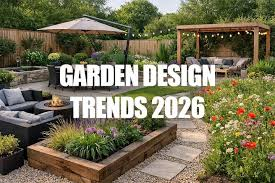
    Outdoor landscaping has evolved dramatically over the past few years, blending aesthetics, functionality, and sustainability. Homeowners are increasingly seeking innovative ways to transform their outdoor spaces into visually stunning, eco-friendly, and practical extensions of their living areas. Keeping up with the latest outdoor landscaping trends can help you create a backyard that is not only beautiful but also functional and sustainable.

    Sustainable Landscaping: Eco-Friendly Practices

    Sustainability remains a central theme in modern outdoor landscaping. Homeowners are focusing on environmentally conscious solutions that reduce water consumption, lower maintenance needs, and promote biodiversity. Using native plants, such as lavender, echinacea, and black-eyed susans, supports local ecosystems and requires less water. Incorporating rain gardens and permeable paving reduces runoff and helps manage stormwater effectively.

    Sustainable landscaping also includes using recycled or reclaimed materials for patios, fences, and pathways. For example, reclaimed wood decking and recycled stone pathways are becoming increasingly popular in eco-conscious outdoor design.

    Smart Landscaping: Technology Meets Nature

    The integration of technology in outdoor landscaping is transforming traditional gardens into smart, automated spaces. Homeowners are adopting smart irrigation systems like Rachio Smart Sprinkler Controllers to monitor soil moisture and water usage efficiently. Automated lighting solutions such as Philips Hue Outdoor Lights enhance safety while creating ambient evening settings.

    Additionally, the rise of robotic lawn mowers such as Husqvarna Automower has made lawn maintenance effortless, allowing more time to enjoy the outdoor space rather than spending hours mowing grass. Smart landscaping not only improves convenience but also contributes to water conservation and energy efficiency.

    Outdoor Living Spaces: Extending Your Home

    Outdoor landscaping trends are increasingly focused on creating functional outdoor living areas. Modern backyards are designed to serve as extensions of indoor living spaces, offering comfort, style, and entertainment. Outdoor kitchens, complete with Weber grills or Viking outdoor appliances, are a major trend, enabling homeowners to host gatherings and enjoy alfresco dining.

    Fire pits and outdoor fireplaces, such as Yardistry Fire Tables, create cozy gathering spaces while adding a dramatic visual element. Comfortable outdoor furniture, including all-weather wicker sofas and teak dining sets, enhances usability and longevity, ensuring that the space is inviting year-round.

    Minimalist Landscaping: Clean Lines and Simplicity

    Minimalism in outdoor landscaping emphasizes clean lines, open spaces, and a restrained use of decorative elements. This approach focuses on quality over quantity, often using a limited palette of materials and plants. Concrete patios, gravel pathways, and succulent gardens are popular choices for minimalist gardens.

    Low-maintenance plants like agave, sedum, and ornamental grasses are frequently incorporated to achieve a modern aesthetic while minimizing upkeep. Minimalist landscaping is particularly appealing for urban homes and small backyards, where creating an uncluttered, serene environment is a priority.

    Water Features: Adding Movement and Serenity

    Water features are making a strong comeback in outdoor landscaping, adding both visual appeal and auditory tranquility. Reflecting pools, modern fountains, and waterfalls create a sense of luxury while serving as focal points for gardens.

    Incorporating ponds with native fish or bioswales can also support local wildlife, promoting biodiversity. Sustainable water features, such as recirculating fountains, help reduce water consumption, aligning with eco-friendly landscaping practices.

    Vertical and Container Gardening: Maximizing Small Spaces

    For homeowners with limited outdoor space, vertical and container gardening is a growing trend. Vertical gardens, using modular planters or green wall systems from brands like Woolly Pocket, allow for lush greenery without occupying significant ground space.

    Container gardens provide flexibility, enabling homeowners to change plant arrangements seasonally. Using materials such as ceramic pots, corten steel planters, and recycled plastic containers adds texture and interest to patios and balconies. Vertical and container gardens also contribute to improved air quality and urban cooling.

    Outdoor Lighting Trends: Setting the Mood

    Outdoor lighting is essential for both functionality and ambiance. Modern landscaping trends favor layered lighting techniques that combine pathway lights, uplighting for trees, and accent lights for architectural features. Solar-powered LED lights are increasingly popular, offering energy-efficient solutions that are easy to install and maintain.

    Innovative designs, such as string lights, lanterns, and LED garden sculptures, create visually engaging spaces while providing safety and visibility at night. The right outdoor lighting can highlight landscaping features, extend the usability of outdoor areas, and enhance the overall atmosphere.

    Edible Landscaping: Beauty Meets Function

    Edible landscaping is a trend that combines aesthetics with practicality. Homeowners are incorporating fruit trees like apple, fig, and citrus trees, along with herb gardens and vegetable beds, into ornamental landscapes. This approach allows families to enjoy fresh, homegrown produce while maintaining an attractive garden design.

    Raised beds, container gardens, and companion planting techniques are commonly used to optimize growth and reduce maintenance. Edible landscaping not only adds beauty and flavor to outdoor spaces but also encourages sustainable, self-sufficient living.

    Outdoor Art and Sculptures: Personalizing the Space

    Adding artistic elements and sculptures is an emerging trend in landscaping, providing character and personality to outdoor spaces. Homeowners are investing in metal sculptures, stone statues, and ceramic art pieces to serve as focal points in gardens or patios.

    Outdoor art can complement the natural environment, reflect personal style, and create conversation-starting features. Pairing sculptures with strategically placed lighting can further enhance their visual impact.

    Xeriscaping: Water-Wise Landscapes

    Xeriscaping continues to gain popularity, especially in regions prone to drought or with limited water resources. This landscaping approach focuses on drought-resistant plants such as yucca, sage, and lavender, combined with mulching and drip irrigation systems to conserve water.

    Xeriscaping reduces maintenance and utility costs while creating a visually appealing, sustainable outdoor environment. By choosing native or low-water plants, homeowners can create vibrant, resilient landscapes that thrive even in challenging climates.

    Conclusion: Embracing Modern Outdoor Landscaping Trends

    Outdoor landscaping trends in 2026 emphasize sustainability, functionality, and aesthetic appeal. From eco-friendly practices and smart technology integration to minimalistic designs and edible gardens, modern landscaping offers countless ways to enhance your outdoor space. By incorporating trends like sustainable native plantings, smart irrigation, vertical gardens, and outdoor living spaces, homeowners can create a backyard that is visually stunning, environmentally conscious, and perfectly suited to their lifestyle.

    Adapting to these trends not only increases the curb appeal of your home but also improves its value and usability. Whether you have a small urban patio or a sprawling suburban backyard, embracing the latest outdoor landscaping trends ensures your outdoor space is both beautiful and functional for years to come.

  • Modern Kitchen Makeover: Transform Your Culinary Space

    Modern Kitchen Makeover: Transform Your Culinary Space

    Renovating your kitchen is one of the most rewarding home improvement projects. A modern kitchen makeover not only enhances the aesthetic appeal of your home but also improves functionality, efficiency, and overall value. Whether you’re planning a full-scale renovation or subtle updates, this guide covers practical ideas, design trends, and materials to create a kitchen that is both stylish and functional.

    Planning Your Modern Kitchen Makeover

    Before you start tearing down walls or picking new cabinets, planning is crucial. Begin by assessing your current kitchen layout, storage options, lighting, and workflow. Consider how you use your kitchen: do you cook frequently, entertain guests, or prefer a minimalist aesthetic? Identifying your priorities will help guide your design decisions.

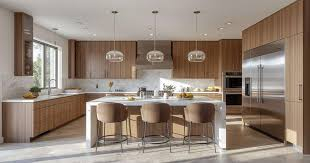
    Work with professional kitchen designers or architects to create a floor plan that maximizes space. Popular modern layouts include open-concept kitchens, L-shaped layouts, and island-centered designs. Open-concept kitchens integrate seamlessly with living spaces, offering both practicality and social interaction. For smaller homes, L-shaped designs make the most of corner spaces, while a central island provides additional workspace and storage.

    Contemporary Cabinetry and Storage Solutions

    Cabinetry is the backbone of any modern kitchen. Sleek, handle-less cabinets and high-gloss finishes are trending in contemporary designs. Materials like laminate, MDF (Medium-Density Fiberboard), and solid wood veneers offer durability and style. Color choices often lean towards neutral palettes such as white, gray, or beige, but bold shades like navy or forest green can add a dramatic focal point.

    Storage innovations are equally essential. Pull-out pantry shelves, deep drawers, and vertical organizers help reduce clutter and improve efficiency. Custom cabinetry can be designed to fit unique spaces, while modular units allow for flexibility and future upgrades. Incorporating under-cabinet lighting not only enhances visibility but also accentuates modern finishes.

    Countertops and Surfaces

    Modern kitchens require surfaces that are both functional and visually appealing. Popular countertop materials include quartz, granite, marble, and butcher block wood. Quartz offers a non-porous, low-maintenance surface ideal for busy kitchens, while granite adds natural elegance. Marble provides luxury aesthetics but requires careful maintenance to prevent staining.

    In addition to countertops, consider backsplashes that complement the overall design. Subway tiles, glass panels, and metallic accents can provide texture and visual interest. For a cohesive modern look, match the backsplash with countertop tones or introduce contrasting colors for a bold statement.

    Modern Appliances and Smart Technology

    A key element of a modern kitchen makeover is integrating smart appliances. Energy-efficient refrigerators, induction cooktops, and convection ovens offer precision, convenience, and sustainability. Brands like Bosch Home Appliances and Samsung Electronics provide appliances with Wi-Fi connectivity, allowing users to monitor cooking or adjust settings remotely.

    Smart kitchen devices, including voice-activated faucets, automated coffee machines, and smart dishwashers, make daily tasks seamless. Integrating technology also improves safety, such as sensors that detect overheating or gas leaks. Lighting control systems can adjust brightness levels and color temperature, enhancing the ambiance for cooking or entertaining.

    Flooring and Lighting

    Flooring in a modern kitchen should combine durability with style. Porcelain tiles, engineered hardwood, and luxury vinyl planks are popular choices. Porcelain tiles are stain-resistant and easy to clean, while engineered hardwood adds warmth and elegance. For a contemporary industrial look, polished concrete floors offer sleek durability.

    Lighting is another crucial component. Layered lighting, including ambient, task, and accent lighting, ensures functionality and mood enhancement. Pendant lights above an island, recessed ceiling lights, and under-cabinet LEDs create a balanced, inviting atmosphere. Incorporating natural light through large windows or skylights further brightens the space and complements modern design elements.

    Color Schemes and Finishes

    Modern kitchen design favors a minimalist color palette. Whites, grays, and blacks form the base, while metallic accents in gold, copper, or stainless steel provide sophistication. Matte finishes are trending, as they reduce glare and contribute to a sleek appearance. For a bold touch, consider accent walls, colorful backsplashes, or statement cabinetry.

    Textured surfaces, such as stone or wood veneers, add depth and contrast. Pairing smooth cabinets with natural materials creates a balanced, contemporary aesthetic. Minimalist décor and open shelving further emphasize a clean, uncluttered look.

    Eco-Friendly and Sustainable Upgrades

    Sustainability is a growing priority in kitchen renovations. Energy-efficient appliances, water-saving faucets, and recycled materials reduce environmental impact and utility costs. LED lighting, low-flow taps, and induction cooktops contribute to a greener kitchen. For countertops and cabinetry, consider reclaimed wood, bamboo, or recycled composite materials.

    Recycling stations and composting solutions can also be integrated into cabinetry, promoting waste reduction. These eco-friendly choices align with modern design principles while enhancing functionality and environmental responsibility.

    Budgeting and Timeline Considerations

    A modern kitchen makeover can vary widely in cost depending on materials, appliances, and labor. Establish a realistic budget that accounts for unforeseen expenses. Prioritize investments in long-lasting elements such as cabinetry, countertops, and appliances. Planning a timeline ensures projects stay on schedule, especially if multiple contractors are involved.

    DIY upgrades, like painting cabinets or installing backsplashes, can reduce costs, while professional installation guarantees quality results. Research local suppliers and contractors to find competitive pricing without compromising on quality.

    Final Thoughts on a Modern Kitchen Makeover

    Updating your kitchen transforms the heart of your home into a functional and stylish space. From cabinetry and countertops to smart appliances and lighting, a modern kitchen makeover combines design, technology, and sustainability. Thoughtful planning, innovative storage solutions, and attention to materials create a kitchen that is both beautiful and practical. Whether preparing daily meals or hosting dinner parties, your renovated kitchen will enhance both lifestyle and home value.

    Investing in a modern kitchen is more than a renovation—it’s a long-term improvement that blends aesthetics, efficiency, and technology. With the right approach, your kitchen can become a showcase of contemporary design, personalized functionality, and eco-friendly innovation.

  • DIY Home Renovation Ideas: Transform Your Space on a Budget

    DIY Home Renovation Ideas: Transform Your Space on a Budget

    Renovating your home doesn’t always mean hiring contractors or spending a fortune. With the right DIY home renovation ideas, you can upgrade your living space efficiently and creatively. Whether you are looking to modernize your kitchen, revamp your bathroom, or enhance your living room, DIY projects provide both satisfaction and savings. In this guide, we explore practical and trendy ways to improve your home without breaking the bank.

    Why DIY Home Renovation Is Worth It

    DIY home renovation projects offer multiple benefits. First, they are cost-effective. Hiring professional contractors can be expensive, but by taking the initiative yourself, you can save significant money. Second, DIY projects allow personalization. You have complete control over materials, colors, and design, ensuring your home reflects your unique style. Third, DIY renovations can increase your home’s resale value. According to studies by the National Association of Home Builders (NAHB), small, well-executed renovations can yield high returns on investment.

    Essential Tools for DIY Renovation

    Before starting any DIY project, it’s crucial to have the right tools. A basic toolkit should include a power drill, measuring tape, level, screwdrivers, hammer, and utility knife. For more advanced projects, consider adding a jigsaw, paint sprayer, and stud finder. Having quality tools not only ensures better results but also improves safety during renovations. Brands like DeWalt, Makita, and Bosch are trusted in the DIY community for their durability and performance.

    DIY Kitchen Renovation Ideas

    The kitchen is often considered the heart of the home. Simple DIY renovations can significantly enhance its functionality and aesthetics.

    1. Cabinet Refacing and Painting: Instead of replacing cabinets, consider painting them or adding new cabinet doors. Popular colors like white, navy blue, or sage green can modernize the space instantly. Adding new handles from brands like Häfele or Liberty Hardware gives cabinets a fresh look.

    2. Backsplash Installation: Peel-and-stick tiles from Smart Tiles or adhesive vinyl sheets allow for a stylish backsplash without professional help. Geometric patterns or subway tiles are trending options.

    3. Open Shelving: Installing floating shelves provides both storage and display space. Materials like reclaimed wood or metal brackets from Ikea can create a chic, modern look.

    DIY Bathroom Renovation Ideas

    Bathrooms are small spaces that can benefit greatly from minor DIY updates.

    1. Vanity Upgrade: Painting or replacing your vanity can transform the room. Matte finishes and quartz countertops are popular trends in 2026.

    2. Tile Refresh: Re-grouting or adding peel-and-stick tiles to the shower walls and floor can make your bathroom look new. Brands like Shaw Floors and Daltile offer durable and stylish options.

    3. Lighting Enhancement: Replace old lighting with LED fixtures or vanity lights. Philips Hue smart lighting adds ambiance and energy efficiency.

    4. Smart Accessories: Consider installing DIY-friendly devices like touchless faucets, smart mirrors, or motion-sensor lights to modernize the space.

    DIY Living Room Renovation Ideas

    The living room is where style meets comfort. Simple DIY projects can make a big difference.

    1. Accent Walls: Create a feature wall with paint, wallpaper, or reclaimed wood panels. Wallpaper patterns from Graham & Brown offer vibrant, modern designs.

    2. Furniture Upcycling: Repaint or reupholster old sofas and chairs to match your decor. DIY slipcovers from Pottery Barn fabrics can refresh outdated furniture.

    3. Built-in Storage: Add floating shelves, bookshelves, or DIY storage benches to maximize functionality while maintaining aesthetic appeal.

    4. Decorative Touches: Update throw pillows, curtains, or rugs from brands like West Elm or Crate & Barrel for an instant style upgrade.

    DIY Bedroom Renovation Ideas

    The bedroom should be a sanctuary. DIY projects can create a cozy, personalized retreat.

    1. Headboard Projects: Build a headboard using wood planks, upholstered panels, or even reclaimed pallets. Pinterest features countless tutorials for every style.

    2. Closet Organization: Install modular storage solutions from Elfa or ClosetMaid to optimize space. DIY closet renovations can increase both functionality and home value.

    3. Accent Lighting: Use LED strips, pendant lights, or fairy lights to enhance mood and ambiance. Lutron Caseta smart lighting is easy to install for DIY enthusiasts.

    4. Wall Art and Decor: DIY wall art, frames, or fabric panels can personalize your bedroom without expensive artwork purchases.

    Outdoor DIY Renovation Ideas

    Outdoor spaces are perfect for creative DIY projects that enhance curb appeal and functionality.

    1. Patio Makeover: Lay paving stones, add a DIY fire pit, or build a pergola. Materials from Home Depot or Lowe’s make these projects manageable.

    2. Garden Improvements: Build raised garden beds or vertical planters using cedar or pine wood. Incorporate herbs, flowers, or vegetables to enhance beauty and utility.

    3. Fence and Deck Updates: Sanding, staining, or painting your deck and fences can rejuvenate your backyard. Behr and Sherwin-Williams offer long-lasting outdoor paints.

    4. Lighting Solutions: Solar-powered garden lights and string lights are cost-effective ways to improve outdoor ambiance.

    Tips for Successful DIY Renovations

    1. Plan Before You Start: Sketch your ideas and measure spaces accurately. Planning reduces mistakes and unnecessary expenses.
    2. Start Small: Begin with minor projects like painting, lighting, or decor upgrades before tackling major renovations.
    3. Follow Tutorials: Platforms like YouTube and Instructables provide step-by-step guidance for almost every DIY project.
    4. Prioritize Safety: Always wear protective gear, use tools properly, and work in well-ventilated areas.
    5. Choose Durable Materials: Invest in quality materials to ensure long-lasting results.

    Final Thoughts on DIY Home Renovation Ideas

    DIY home renovation ideas empower homeowners to personalize their living spaces, save money, and gain a sense of accomplishment. From kitchen updates to outdoor makeovers, there are countless opportunities to enhance your home without hiring professionals. By using the right tools, high-quality materials, and creative approaches, your home can achieve both functionality and style. Embrace DIY renovations to create a space that is truly yours.

  • Introduction to Energy‑Efficient Remodeling

    Introduction to Energy‑Efficient Remodeling

    Energy‑efficient remodeling is a strategic approach to upgrading and renovating existing homes or commercial properties that focuses on reducing energy consumption, lowering utility costs, and minimizing environmental impact. With rising energy prices and growing concerns about sustainability, adopting energy‑efficient remodeling practices has become essential for homeowners, property developers, and builders. This comprehensive guide explores the principles, benefits, best practices, financial incentives, and measurable outcomes of energy‑efficient remodeling. It also highlights key organizations and programs such as the U.S. Department of Energy (DOE), ENERGY STAR, Leadership in Energy and Environmental Design (LEED), and Home Performance with ENERGY STAR that support and certify energy‑efficient construction and renovation.

    Why Energy‑Efficient Remodeling Matters

    Energy‑efficient remodeling directly addresses the need to reduce the carbon footprint of buildings, which account for a significant portion of global energy use and greenhouse gas emissions. According to the U.S. Environmental Protection Agency (EPA), buildings contribute approximately 40% of total energy consumption in the United States. By improving the energy performance of existing structures, energy‑efficient remodeling helps conserve resources, protect the environment, and create healthier indoor environments. Energy efficiency also enhances property value while delivering long‑term cost savings for occupants.

    Core Principles of Energy‑Efficient Remodeling

    Energy‑efficient remodeling is guided by several fundamental principles: building envelope improvement, mechanical system upgrades, water efficiency, renewable energy integration, and smart controls. These principles ensure that a property performs optimally without unnecessary energy loss.

    Building Envelope Improvements

    The building envelope includes the walls, roof, windows, and foundation that separate indoor and outdoor environments. Improving the building envelope is essential for reducing thermal transfer and air leakage. Common strategies include installing high‑performance insulation, upgrading to double or triple‑pane windows with low‑emissivity coatings, sealing gaps and cracks with weather stripping and caulk, and reinforcing door frames. Energy modeling tools developed by the American Society of Heating, Refrigerating and Air‑Conditioning Engineers (ASHRAE) help determine the most effective envelope upgrades for specific climates and building types.

    Efficient HVAC and Mechanical Systems

    Heating, ventilation, and air conditioning (HVAC) systems are among the largest energy consumers in buildings. Replacing outdated systems with energy‑efficient units certified by ENERGY STAR can reduce utility costs significantly. High‑efficiency furnaces, heat pumps, and air conditioners provide optimal comfort while using less energy. Additionally, proper duct sealing and regular maintenance ensure balanced airflow and reduce system strain. Smart thermostats, which may be supported by Home Performance with ENERGY STAR, further enhance efficiency by learning occupant patterns and adjusting temperature settings accordingly.

    Water Heating and Conservation

    Water heating is another major energy expense. Energy‑efficient remodeling promotes the installation of high‑efficiency water heaters, such as heat pump water heaters or tankless systems, which provide hot water on demand with reduced energy use. Water conservation fixtures, such as low‑flow showerheads and faucets, also contribute to efficiency by reducing overall hot water demand. In some regions, programs administered by the Department of Energy (DOE) offer guidance and rebates for efficient water heating solutions.

    Renewable Energy Integration

    Energy‑efficient remodeling often incorporates renewable energy technologies to offset conventional energy use. Solar photovoltaic (PV) panels convert sunlight into electricity, reducing reliance on grid power. Solar thermal systems can preheat water, lowering the load on traditional water heaters. In suitable locations, small‑scale wind turbines or geothermal heat pumps may also contribute to a building’s energy mix. Federal tax incentives such as the Investment Tax Credit (ITC) encourage investment in solar energy systems for both residential and commercial properties.

    Smart Controls and Building Automation

    Smart home and building automation systems play an increasingly important role in energy‑efficient remodeling. Programmable lighting controls, occupancy sensors, smart thermostats, and energy monitoring platforms provide real‑time feedback on energy consumption. By integrating these technologies, property owners can optimize heating, cooling, and lighting schedules, and identify areas for further improvement. For commercial buildings, building automation systems (BAS) can reduce energy waste across complex operations.

    Steps to Plan an Energy‑Efficient Remodeling Project

    A successful energy‑efficient remodeling project begins with a detailed assessment and follows a structured plan that incorporates professional guidance, appropriate materials, and measurable goals.

    Conduct an Energy Audit

    The first step in any energy‑efficient remodeling project is to conduct a comprehensive energy audit. Certified energy auditors use diagnostic tools such as blower doors and infrared cameras to identify air leakage, insulation deficits, and inefficient systems. The audit report outlines prioritized recommendations based on cost effectiveness and energy savings potential. Many local utility companies partner with programs like Home Performance with ENERGY STAR to subsidize energy audits.

    Set Clear Objectives and Prioritize Upgrades

    After the audit, property owners should establish clear objectives, such as reducing annual energy costs by a specific percentage or achieving a particular energy rating. Prioritized upgrades typically start with low‑cost, high‑impact improvements (such as air sealing and insulation) before moving to larger system replacements. It’s important to balance short‑term gains with long‑term benefits to maximize return on investment.

    Select Qualified Contractors and Professionals

    Choosing qualified contractors with experience in energy‑efficient remodeling is critical. Look for professionals with certifications such as LEED Accredited Professional (LEED AP), Building Performance Institute (BPI) certification, or those affiliated with ENERGY STAR programs. A well‑trained contractor can ensure compliance with building codes, proper installation of efficient systems, and accurate documentation for incentive programs.

    Apply for Incentives and Rebates

    Federal, state, and local incentives can significantly reduce project costs. Programs like the ENERGY STAR Tax Credits for Energy Efficiency and state rebate initiatives offer financial support for energy‑efficient upgrades. Property owners should research available incentives early in the planning process to ensure eligibility and proper documentation.

    Implement Upgrades and Monitor Performance

    With a qualified team and a clear plan, the remodeling upgrades are installed. Once complete, ongoing monitoring is essential to verify that the building is performing as expected. Smart energy management systems and utility usage reports provide valuable insights into actual energy savings, allowing for further optimization if needed.

    Benefits of Energy‑Efficient Remodeling

    The advantages of energy‑efficient remodeling extend beyond utility savings and environmental impact. They include improved comfort, increased property value, enhanced indoor air quality, and eligibility for finance and incentive programs.

    Reduced Energy Bills

    One of the most tangible benefits of energy‑efficient remodeling is the reduction in monthly energy bills. Upgrades such as high‑efficiency HVAC units, proper insulation, and smart controls directly reduce electricity and fuel consumption. Over time, these savings often offset the upfront costs of remodeling.

    Increased Property Value

    Homes and commercial properties with energy‑efficient features are more attractive to buyers and renters. Certifications from programs like ENERGY STAR and LEED signal quality and long‑term savings, enhancing resale value. Real estate studies consistently show that energy‑efficient properties command higher market prices and faster sales.

    Enhanced Comfort and Indoor Air Quality

    Sealing air leaks, upgrading insulation, and improving HVAC performance contribute to more consistent indoor temperatures. In addition, energy‑efficient remodeling often incorporates improved ventilation systems, which help reduce indoor pollutants and moisture problems. Better indoor air quality supports occupant health and well‑being.

    Environmental Impact and Sustainability

    Energy‑efficient remodeling reduces greenhouse gas emissions associated with electricity and fuel consumption. By lowering energy demand, buildings place less stress on natural resources and contribute to sustainability goals at the local and global levels. Many municipalities now require or incentivize energy‑efficient design and renovations as part of climate action plans.

    Common Misconceptions About Energy‑Efficient Remodeling

    Despite its benefits, some misconceptions deter property owners from pursuing energy‑efficient remodeling. Addressing these misconceptions helps clarify the true value of efficiency upgrades.

    “Energy Efficiency Is Too Expensive”

    While some upgrades involve upfront costs, many energy‑efficient practices are affordable and deliver rapid payback through energy savings. Incentives, rebates, and tax credits further reduce net costs. Additionally, prioritizing improvements based on an energy audit ensures that investment goes where it yields the greatest benefit.

    “New Construction Is More Efficient Than Remodeling”

    Although new construction can incorporate the latest energy‑efficient designs, existing buildings can achieve significant efficiency gains through retrofit upgrades. In many cases, remodeling an existing structure to high efficiency standards can rival or exceed the performance of new buildings, especially when combined with renewable energy systems.

    “Savings Are Insignificant”

    Effective energy‑efficient remodeling can reduce energy consumption by 20–50% or more depending on the building and upgrades implemented. Over the lifetime of the improvements, cumulative savings are substantial and measurable.

    Conclusion: Making Energy‑Efficient Remodeling Work for You

    Energy‑efficient remodeling is more than a trend; it is a smart investment in sustainability, comfort, and long‑term savings. By understanding the core principles, planning effectively, engaging qualified professionals, and leveraging incentives from programs such as ENERGY STAR, LEED, and the U.S. Department of Energy, property owners can achieve meaningful improvements in performance and value. Whether upgrading insulation, replacing HVAC systems, installing renewable energy technologies, or integrating smart controls, energy‑efficient remodeling offers measurable benefits that support financial goals and environmental stewardship.

  • Introduction to Smart Home Upgrades

    Introduction to Smart Home Upgrades

    Smart home upgrades have become one of the most sought‑after home improvement trends in the last decade. With the rise of the Internet of Things and connected devices such as Amazon Echo (smart speaker) and Google Nest Hub (smart display), homeowners are transforming ordinary living spaces into intelligent, responsive environments. A smart home upgrade involves integrating advanced technology into ordinary home systems to enhance comfort, energy efficiency, convenience, and security. In this comprehensive guide, we will explore high‑impact smart home upgrades, their benefits, use cases, costs, and how to choose the right devices based on your needs.

    What Are Smart Home Upgrades?

    Smart home upgrades refer to improvements in your living space that use network‑connected devices to automate tasks, provide remote control, and increase the efficiency of daily routines. These upgrades can be simple and inexpensive such as installing a Philips Hue (smart lighting system) bulb or more advanced like a full Ring Video Doorbell (smart doorbell) installation integrated with a home security system. The goal of smart home upgrades is to create an intelligent ecosystem where devices communicate, adapt, and respond to the homeowner’s preferences.

    Benefits of Smart Home Upgrades

    Investing in smart home upgrades can produce tangible lifestyle improvements. First, energy savings are one of the most significant advantages. Smart thermostats like ecobee SmartThermostat adjust heating and cooling patterns based on occupancy, leading to reduced utility bills. Second, smart home security improvements elevate safety by providing real‑time notifications and remote monitoring via cameras such as Arlo Pro 4 (wireless security camera). Third, convenience is enhanced through voice control with devices like Apple HomePod (smart speaker) which integrates with Apple HomeKit (smart home platform). Fourth, smart lighting and appliances create an adaptive environment that responds to user behavior, making daily tasks effortless and intuitive.

    Core Smart Home Technologies

    Smart Speakers and Voice Assistants

    Smart speakers and voice assistants are at the heart of most smart home ecosystems. Entities such as Amazon Alexa, Google Assistant, and Apple Siri allow users to interact with devices using natural language. When using an Amazon Echo Dot (smart speaker) or Google Nest Mini (smart speaker), you can control connected devices, set reminders, check weather updates, and control media playback without lifting a finger.

    Smart Thermostats

    Smart thermostats such as Nest Learning Thermostat and ecobee SmartThermostat replace traditional manual thermostats with adaptive learning algorithms. These devices track your temperature preferences, detect occupancy, and can be controlled remotely through mobile apps. They also provide usage reports that help you optimize energy consumption and cut costs.

    Smart Lighting Systems

    Smart lighting systems such as Philips Hue and LIFX (smart light bulbs) allow homeowners to customize lighting color, intensity, and schedules. Using apps, voice commands, or automation scenes, you can create lighting moods for activities like reading, movie nights, or hosting guests. Integration with sensors also enables lights to turn on automatically when you enter a room.

    Smart Security Systems

    Smart security is one of the most critical categories of smart home upgrades. Devices like the Ring Video Doorbell, Arlo Pro 4, and Google Nest Cam (security camera) provide 24/7 monitoring of entrances, backyards, and indoor spaces. These systems often include motion detection, two‑way audio, night vision, and mobile alerts. Some can even integrate with professional monitoring services to offer emergency response in case of intrusion or fire.

    Smart Locks and Access Control

    Smart locks such as August Smart Lock and Schlage Encode (smart lock) make keys obsolete. These devices allow homeowners to grant temporary access via digital codes, app authorization, or biometric input. Smart locks also record entry and exit logs, providing a secure audit trail for families and guests.

    Smart Appliances

    Major appliances like refrigerators, ovens, washers, and dryers now come equipped with smart features. Brands such as Samsung SmartThings (smart home platform) and LG ThinQ (smart appliance ecosystem) connect kitchen and laundry appliances to your network. You can receive alerts when cycles are complete, monitor energy use, or preheat ovens remotely before you arrive home.

    Smart Shades and Climate Control

    Smart shades and blinds automate natural light control and contribute to energy efficiency. Brands such as Lutron Serena (smart shades) and Somfy (motorized blinds) integrate with platforms like Apple HomeKit and Google Home. By scheduling shade positions or linking them to sunrise/sunset cycles, homeowners reduce heating and cooling loads and enhance privacy.

    High‑Impact Smart Home Upgrades Worth the Investment

    1. Whole‑Home Security and Monitoring

    Replacing standalone cameras with an integrated smart security system that includes sensors, cameras, alarms, and monitoring services provides excellent protection. A complete ecosystem like Ring Alarm (home security system) creates a unified security network that can communicate with doorbells, locks, and cameras. This kind of upgrade not only deters break‑ins but also protects against environmental risks like fire and carbon monoxide.

    2. Intelligent Climate Control

    Installing a Nest Learning Thermostat or ecobee SmartThermostat can reduce heating and cooling costs by up to 20 percent annually. These thermostats adjust temperatures when the home is unoccupied, and some versions include voice assistant integration. Combining smart thermostats with smart ceiling fans or vents further optimizes air circulation and comfort.

    3. Automated Lighting

    Smart lighting upgrades like Philips Hue or LIFX allow customized scenes and automation rules that tailor your lighting to natural routines. Motion sensors ensure lights are only on when needed, delivering efficiency and convenience. These systems also work well with entertainment setups where lighting adjusts based on content or time of day.

    4. Smart Kitchen Renovations

    Upgrading your kitchen with smart appliances makes a significant difference in day‑to‑day living. A smart refrigerator with internal cameras lets you view contents from your phone, while a smart oven like June Oven (AI‑powered countertop oven) learns cooking preferences and provides guided recipes. Smart dishwashers and coffee makers add convenience and remote control capabilities that fit busy lifestyles.

    5. Enhanced Access Control

    Upgrading to smart locks such as August Smart Lock or Schlage Encode eliminates physical keys and adds digital security. Integrating these devices with a smart home platform enables automatic locking based on your phone’s proximity and instant notifications if a door is left open.

    Choosing the Right Smart Home Upgrade

    Selecting the right smart home upgrade requires understanding your priorities. Energy savings should push you toward smart thermostats and lighting. Security concerns make integrated cameras and smart locks essential. Convenience-driven homeowners may emphasize voice assistants and smart appliances. Compatibility is another crucial consideration; ensure your devices work on a unified platform such as Google Home, Amazon Alexa, or Apple HomeKit. Cross‑platform integrations reduce friction and allow smoother control with routines and automation.

    Installation and Setup Tips

    Smart home upgrades vary in complexity. Simple smart bulbs and plug‑in devices can often be installed by any homeowner. In contrast, installing smart cameras, door locks, or thermostats may require basic electrical or door frame adjustments. When in doubt, hire a licensed professional electrician or installer. Always update device firmware and secure connected devices with strong passwords. Use guest network features on your router to separate smart devices from sensitive personal data on your primary Wi‑Fi network.

    Common Misconceptions About Smart Home Upgrades

    Several misconceptions discourage homeowners from adopting smart home upgrades. One common belief is that smart homes are prohibitively expensive. While high‑end devices can be costly, many affordable options like entry‑level smart plugs, sensors, and light bulbs provide excellent value. Another misconception is that complexity makes these upgrades difficult. Today’s devices offer intuitive apps and guided setups to streamline installation.

    Future Trends in Smart Home Upgrades

    The future of smart home upgrades continues to evolve with innovations in AI, machine learning, and connectivity. Emerging trends include advanced health monitoring through smart devices, AI‑driven automation that predicts needs, and expanded integration with electric vehicle charging and renewable energy management. As standards such as Matter (smart home standard) gain wider adoption, device compatibility across ecosystems will improve, making smart home upgrades more seamless than ever.

    Conclusion

    Smart home upgrades offer an opportunity to modernize your living space by integrating technology that enhances security, efficiency, comfort, and convenience. From intelligent thermostats like Nest Learning Thermostat to integrated security systems such as Ring Alarm, these upgrades provide long‑term value and transform how homeowners interact with their environment. Whether you are new to smart home technology or looking to expand your current setup, smart home upgrades deliver innovation that simplifies daily life and future‑proofs your home.