Sustainable home design is a holistic approach to creating living spaces that minimize negative environmental impact, reduce resource consumption, and promote healthier lifestyles. At its core, sustainable home design integrates principles of environmental responsibility, efficient resource use, and enhanced comfort to create homes that are greener, resilient, and future‑ready. This comprehensive guide explores essential aspects of sustainable home design, from energy efficiency and water conservation to materials, indoor environmental quality, and real‑world examples that inspire greener living.
What Is Sustainable Home Design?
Sustainable home design refers to the practice of planning, constructing, and outfitting residential buildings in ways that decrease environmental impact and support long‑term ecological balance. Closely related to the concept of a Green home, sustainable home design focuses on efficient use of energy, water, materials and space while improving comfort and indoor health. This approach moves beyond traditional design by considering the entire lifecycle of a home—from the sourcing of materials to daily operation and eventual reuse or recycling.
Why Sustainable Home Design Matters
Environmental professionals and designers emphasize sustainable home design because buildings account for a significant portion of global energy consumption and carbon emissions. Sustainable homes reduce reliance on fossil fuels, minimize waste, improve indoor environmental quality, and often lower monthly utility costs for occupants. In an era where climate change and resource scarcity are pressing concerns, adopting sustainable design practices is no longer optional—it is essential.
Core Principles of Sustainable Home Design
Understanding the principles behind sustainable design helps homeowners and builders make informed decisions. Some foundational principles include:
Energy Efficiency and Renewable Energy Integration
One of the most important goals of sustainable home design is maximizing energy efficiency. This includes passive design strategies that reduce reliance on mechanical heating and cooling systems. Passive solar design involves orienting a home to capture solar energy for heating in winter while minimizing heat gain in summer. Well‑placed windows, roof overhangs, and materials with high thermal mass such as concrete or stone help regulate indoor temperatures naturally.
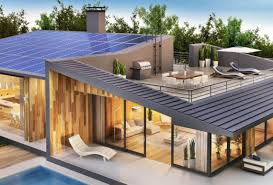
Renewable energy technologies—such as solar panels and, in some cases, small wind systems—can be integrated to provide clean power. Homes designed to generate as much energy as they consume are often called net‑zero energy homes, a key objective in sustainable residential design.
Water Conservation and Management
Efficient water use is another critical element. Sustainable home design incorporates methods such as rainwater harvesting systems that collect and store rainwater for irrigation or other non‑potable uses, reducing dependence on municipal water supplies. Low‑flow fixtures (e.g., dual‑flush toilets, low‑flow showerheads) further conserve water and significantly reduce household demand. Drought‑tolerant landscaping and smart irrigation systems also minimize outdoor water use.
Use of Sustainable Materials
Material selection plays a vital role in reducing a home’s environmental footprint. Sustainable materials are typically renewable, recycled, non‑toxic, and locally sourced. Examples include reclaimed wood, recycled steel, cork flooring, bamboo, hempcrete, and natural stone. Such choices reduce waste, lower embodied carbon, and often provide healthier indoor air quality.
Designers and homeowners should also avoid materials that emit high levels of volatile organic compounds (VOCs), choosing low‑VOC paints and finishes to improve indoor air quality and occupant health.
Indoor Environmental Quality (IEQ)
Sustainable home design places a strong emphasis on healthy indoor environments. Adequate ventilation, access to natural daylight, and the use of non‑toxic materials all contribute to higher IEQ. Clean air not only enhances comfort but also supports physical health, reducing the risk of respiratory issues and allergies.
Waste Minimization and Circular Design
Minimizing waste begins before construction. Thoughtful planning can avoid excess materials and go further by incorporating recycling, reuse, and upcycling. Homes can include dedicated spaces for waste sorting and composting, while furniture and fixtures made from reclaimed or recycled elements help close the loop on material use.
Sustainable Features Every Home Should Consider
To achieve a truly sustainable home, certain features enhance both ecological performance and everyday living quality. Below are some of the most impactful:
High‑Performance Insulation and Building Envelope
A tight building envelope—with quality insulation and energy‑efficient windows—reduces heat loss and gain, lowering the need for mechanical temperature control. This is fundamental for reducing energy consumption year‑round.
Green Roofs and Vegetated Surfaces
The Green roof is an increasingly popular sustainable feature. Covered with vegetation, green roofs provide thermal insulation, reduce urban heat island effects, improve stormwater management, and create habitats for urban biodiversity.
Natural Lighting and Ventilation
Maximizing natural light improves both energy efficiency and occupant well‑being. Design elements such as skylights, clerestory windows, and large glazed openings reduce dependency on artificial lighting and support better air circulation throughout the home.
Efficient Appliances and Smart Home Systems
Choosing appliances with high energy ratings (such as Energy Star certified models) and integrating smart home systems can optimize energy use. Smart thermostats, sensors, and automated systems ensure that energy and water are used only when needed, drastically cutting utility costs.
Passive Heating and Cooling Strategies
Homes that leverage the sun’s energy can remain comfortable with minimal mechanical systems. Features like thermal mass, strategic shading, and natural ventilation pathways all contribute to passive temperature regulation.
Water Recycling and Greywater Systems
Greywater systems reuse gently used water from sinks and showers for toilet flushing or irrigation. Such systems greatly extend usable water resources and amplify the impact of water efficiency measures.
The Benefits of Sustainable Home Design
Adopting sustainable design yields immediate and long‑term benefits:
• Reduced utility costs: Lower energy and water use mean smaller monthly bills.
• Lower carbon footprint: Energy efficiency and renewable systems cut greenhouse gas emissions.
• Improved health: Better indoor air quality enhances occupant comfort and reduces disease risk.
• Increased property value: Sustainable homes often attract higher resale value and appeal to eco‑conscious buyers.
• Resilience and self‑sufficiency: Features like rainwater harvesting, solar energy, and well‑insulated envelopes improve resilience against climate extremes and service disruptions.
Real‑World Examples of Sustainable Home Design
A number of innovative projects worldwide illustrate how sustainable design works in practice. One such example is the BrightBuilt Barn, a net‑zero home in Rockport, Maine. This project showcases principles of sustainable building, combining high performance with cutting‑edge design to minimize energy use and environmental impact.
Across the globe, sustainable home design is evolving. From off‑grid houses built with recycled materials to passive solar dwellings optimized for local climates, these examples inspire homeowners and designers to push the boundaries of eco‑conscious living.
Challenges and Future Trends
Although sustainable home design offers significant benefits, challenges remain. Some features require higher upfront investment or specialized expertise. However, as sustainable technologies advance and demand grows, costs are declining and expertise is becoming more accessible.
Future trends include the expansion of 3D‑printed sustainable homes using bio‑based materials, increased use of modular and prefabricated systems to reduce waste, and deeper integration of AI‑driven energy systems for optimized performance.
Conclusion
Sustainable home design is not just a trend—it is a necessary evolution in how we create, inhabit, and care for our living environments. By prioritizing energy efficiency, water conservation, smart material choices, and indoor environmental quality, homeowners can reduce environmental impact while enhancing health, comfort, and long‑term value. Embracing these principles transforms a house into a sustainable home—one that harmonizes with the planet and supports the well‑being of those who live within it.
Sustainable home design is about making conscious choices that benefit both people and the planet. From using local, reclaimed materials to implementing smart water systems and passive design strategies, every decision contributes to a greener, more equitable future. Whether building new or retrofitting existing spaces, sustainable design principles offer a roadmap to more resilient and environmentally responsible living.