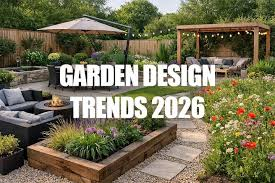
Outdoor landscaping has evolved dramatically over the past few years, blending aesthetics, functionality, and sustainability. Homeowners are increasingly seeking innovative ways to transform their outdoor spaces into visually stunning, eco-friendly, and practical extensions of their living areas. Keeping up with the latest outdoor landscaping trends can help you create a backyard that is not only beautiful but also functional and sustainable.
Sustainable Landscaping: Eco-Friendly Practices
Sustainability remains a central theme in modern outdoor landscaping. Homeowners are focusing on environmentally conscious solutions that reduce water consumption, lower maintenance needs, and promote biodiversity. Using native plants, such as lavender, echinacea, and black-eyed susans, supports local ecosystems and requires less water. Incorporating rain gardens and permeable paving reduces runoff and helps manage stormwater effectively.
Sustainable landscaping also includes using recycled or reclaimed materials for patios, fences, and pathways. For example, reclaimed wood decking and recycled stone pathways are becoming increasingly popular in eco-conscious outdoor design.
Smart Landscaping: Technology Meets Nature
The integration of technology in outdoor landscaping is transforming traditional gardens into smart, automated spaces. Homeowners are adopting smart irrigation systems like Rachio Smart Sprinkler Controllers to monitor soil moisture and water usage efficiently. Automated lighting solutions such as Philips Hue Outdoor Lights enhance safety while creating ambient evening settings.
Additionally, the rise of robotic lawn mowers such as Husqvarna Automower has made lawn maintenance effortless, allowing more time to enjoy the outdoor space rather than spending hours mowing grass. Smart landscaping not only improves convenience but also contributes to water conservation and energy efficiency.
Outdoor Living Spaces: Extending Your Home
Outdoor landscaping trends are increasingly focused on creating functional outdoor living areas. Modern backyards are designed to serve as extensions of indoor living spaces, offering comfort, style, and entertainment. Outdoor kitchens, complete with Weber grills or Viking outdoor appliances, are a major trend, enabling homeowners to host gatherings and enjoy alfresco dining.
Fire pits and outdoor fireplaces, such as Yardistry Fire Tables, create cozy gathering spaces while adding a dramatic visual element. Comfortable outdoor furniture, including all-weather wicker sofas and teak dining sets, enhances usability and longevity, ensuring that the space is inviting year-round.
Minimalist Landscaping: Clean Lines and Simplicity
Minimalism in outdoor landscaping emphasizes clean lines, open spaces, and a restrained use of decorative elements. This approach focuses on quality over quantity, often using a limited palette of materials and plants. Concrete patios, gravel pathways, and succulent gardens are popular choices for minimalist gardens.
Low-maintenance plants like agave, sedum, and ornamental grasses are frequently incorporated to achieve a modern aesthetic while minimizing upkeep. Minimalist landscaping is particularly appealing for urban homes and small backyards, where creating an uncluttered, serene environment is a priority.
Water Features: Adding Movement and Serenity
Water features are making a strong comeback in outdoor landscaping, adding both visual appeal and auditory tranquility. Reflecting pools, modern fountains, and waterfalls create a sense of luxury while serving as focal points for gardens.
Incorporating ponds with native fish or bioswales can also support local wildlife, promoting biodiversity. Sustainable water features, such as recirculating fountains, help reduce water consumption, aligning with eco-friendly landscaping practices.
Vertical and Container Gardening: Maximizing Small Spaces
For homeowners with limited outdoor space, vertical and container gardening is a growing trend. Vertical gardens, using modular planters or green wall systems from brands like Woolly Pocket, allow for lush greenery without occupying significant ground space.
Container gardens provide flexibility, enabling homeowners to change plant arrangements seasonally. Using materials such as ceramic pots, corten steel planters, and recycled plastic containers adds texture and interest to patios and balconies. Vertical and container gardens also contribute to improved air quality and urban cooling.
Outdoor Lighting Trends: Setting the Mood
Outdoor lighting is essential for both functionality and ambiance. Modern landscaping trends favor layered lighting techniques that combine pathway lights, uplighting for trees, and accent lights for architectural features. Solar-powered LED lights are increasingly popular, offering energy-efficient solutions that are easy to install and maintain.
Innovative designs, such as string lights, lanterns, and LED garden sculptures, create visually engaging spaces while providing safety and visibility at night. The right outdoor lighting can highlight landscaping features, extend the usability of outdoor areas, and enhance the overall atmosphere.
Edible Landscaping: Beauty Meets Function
Edible landscaping is a trend that combines aesthetics with practicality. Homeowners are incorporating fruit trees like apple, fig, and citrus trees, along with herb gardens and vegetable beds, into ornamental landscapes. This approach allows families to enjoy fresh, homegrown produce while maintaining an attractive garden design.
Raised beds, container gardens, and companion planting techniques are commonly used to optimize growth and reduce maintenance. Edible landscaping not only adds beauty and flavor to outdoor spaces but also encourages sustainable, self-sufficient living.
Outdoor Art and Sculptures: Personalizing the Space
Adding artistic elements and sculptures is an emerging trend in landscaping, providing character and personality to outdoor spaces. Homeowners are investing in metal sculptures, stone statues, and ceramic art pieces to serve as focal points in gardens or patios.
Outdoor art can complement the natural environment, reflect personal style, and create conversation-starting features. Pairing sculptures with strategically placed lighting can further enhance their visual impact.
Xeriscaping: Water-Wise Landscapes
Xeriscaping continues to gain popularity, especially in regions prone to drought or with limited water resources. This landscaping approach focuses on drought-resistant plants such as yucca, sage, and lavender, combined with mulching and drip irrigation systems to conserve water.
Xeriscaping reduces maintenance and utility costs while creating a visually appealing, sustainable outdoor environment. By choosing native or low-water plants, homeowners can create vibrant, resilient landscapes that thrive even in challenging climates.
Conclusion: Embracing Modern Outdoor Landscaping Trends
Outdoor landscaping trends in 2026 emphasize sustainability, functionality, and aesthetic appeal. From eco-friendly practices and smart technology integration to minimalistic designs and edible gardens, modern landscaping offers countless ways to enhance your outdoor space. By incorporating trends like sustainable native plantings, smart irrigation, vertical gardens, and outdoor living spaces, homeowners can create a backyard that is visually stunning, environmentally conscious, and perfectly suited to their lifestyle.
Adapting to these trends not only increases the curb appeal of your home but also improves its value and usability. Whether you have a small urban patio or a sprawling suburban backyard, embracing the latest outdoor landscaping trends ensures your outdoor space is both beautiful and functional for years to come.