Energy‑efficient remodeling is a strategic approach to upgrading and renovating existing homes or commercial properties that focuses on reducing energy consumption, lowering utility costs, and minimizing environmental impact. With rising energy prices and growing concerns about sustainability, adopting energy‑efficient remodeling practices has become essential for homeowners, property developers, and builders. This comprehensive guide explores the principles, benefits, best practices, financial incentives, and measurable outcomes of energy‑efficient remodeling. It also highlights key organizations and programs such as the U.S. Department of Energy (DOE), ENERGY STAR, Leadership in Energy and Environmental Design (LEED), and Home Performance with ENERGY STAR that support and certify energy‑efficient construction and renovation.
Why Energy‑Efficient Remodeling Matters
Energy‑efficient remodeling directly addresses the need to reduce the carbon footprint of buildings, which account for a significant portion of global energy use and greenhouse gas emissions. According to the U.S. Environmental Protection Agency (EPA), buildings contribute approximately 40% of total energy consumption in the United States. By improving the energy performance of existing structures, energy‑efficient remodeling helps conserve resources, protect the environment, and create healthier indoor environments. Energy efficiency also enhances property value while delivering long‑term cost savings for occupants.
Core Principles of Energy‑Efficient Remodeling
Energy‑efficient remodeling is guided by several fundamental principles: building envelope improvement, mechanical system upgrades, water efficiency, renewable energy integration, and smart controls. These principles ensure that a property performs optimally without unnecessary energy loss.
Building Envelope Improvements
The building envelope includes the walls, roof, windows, and foundation that separate indoor and outdoor environments. Improving the building envelope is essential for reducing thermal transfer and air leakage. Common strategies include installing high‑performance insulation, upgrading to double or triple‑pane windows with low‑emissivity coatings, sealing gaps and cracks with weather stripping and caulk, and reinforcing door frames. Energy modeling tools developed by the American Society of Heating, Refrigerating and Air‑Conditioning Engineers (ASHRAE) help determine the most effective envelope upgrades for specific climates and building types.
Efficient HVAC and Mechanical Systems
Heating, ventilation, and air conditioning (HVAC) systems are among the largest energy consumers in buildings. Replacing outdated systems with energy‑efficient units certified by ENERGY STAR can reduce utility costs significantly. High‑efficiency furnaces, heat pumps, and air conditioners provide optimal comfort while using less energy. Additionally, proper duct sealing and regular maintenance ensure balanced airflow and reduce system strain. Smart thermostats, which may be supported by Home Performance with ENERGY STAR, further enhance efficiency by learning occupant patterns and adjusting temperature settings accordingly.
Water Heating and Conservation
Water heating is another major energy expense. Energy‑efficient remodeling promotes the installation of high‑efficiency water heaters, such as heat pump water heaters or tankless systems, which provide hot water on demand with reduced energy use. Water conservation fixtures, such as low‑flow showerheads and faucets, also contribute to efficiency by reducing overall hot water demand. In some regions, programs administered by the Department of Energy (DOE) offer guidance and rebates for efficient water heating solutions.
Renewable Energy Integration
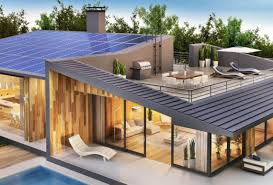
Energy‑efficient remodeling often incorporates renewable energy technologies to offset conventional energy use. Solar photovoltaic (PV) panels convert sunlight into electricity, reducing reliance on grid power. Solar thermal systems can preheat water, lowering the load on traditional water heaters. In suitable locations, small‑scale wind turbines or geothermal heat pumps may also contribute to a building’s energy mix. Federal tax incentives such as the Investment Tax Credit (ITC) encourage investment in solar energy systems for both residential and commercial properties.
Smart Controls and Building Automation
Smart home and building automation systems play an increasingly important role in energy‑efficient remodeling. Programmable lighting controls, occupancy sensors, smart thermostats, and energy monitoring platforms provide real‑time feedback on energy consumption. By integrating these technologies, property owners can optimize heating, cooling, and lighting schedules, and identify areas for further improvement. For commercial buildings, building automation systems (BAS) can reduce energy waste across complex operations.
Steps to Plan an Energy‑Efficient Remodeling Project
A successful energy‑efficient remodeling project begins with a detailed assessment and follows a structured plan that incorporates professional guidance, appropriate materials, and measurable goals.
Conduct an Energy Audit
The first step in any energy‑efficient remodeling project is to conduct a comprehensive energy audit. Certified energy auditors use diagnostic tools such as blower doors and infrared cameras to identify air leakage, insulation deficits, and inefficient systems. The audit report outlines prioritized recommendations based on cost effectiveness and energy savings potential. Many local utility companies partner with programs like Home Performance with ENERGY STAR to subsidize energy audits.
Set Clear Objectives and Prioritize Upgrades
After the audit, property owners should establish clear objectives, such as reducing annual energy costs by a specific percentage or achieving a particular energy rating. Prioritized upgrades typically start with low‑cost, high‑impact improvements (such as air sealing and insulation) before moving to larger system replacements. It’s important to balance short‑term gains with long‑term benefits to maximize return on investment.
Select Qualified Contractors and Professionals
Choosing qualified contractors with experience in energy‑efficient remodeling is critical. Look for professionals with certifications such as LEED Accredited Professional (LEED AP), Building Performance Institute (BPI) certification, or those affiliated with ENERGY STAR programs. A well‑trained contractor can ensure compliance with building codes, proper installation of efficient systems, and accurate documentation for incentive programs.
Apply for Incentives and Rebates
Federal, state, and local incentives can significantly reduce project costs. Programs like the ENERGY STAR Tax Credits for Energy Efficiency and state rebate initiatives offer financial support for energy‑efficient upgrades. Property owners should research available incentives early in the planning process to ensure eligibility and proper documentation.
Implement Upgrades and Monitor Performance
With a qualified team and a clear plan, the remodeling upgrades are installed. Once complete, ongoing monitoring is essential to verify that the building is performing as expected. Smart energy management systems and utility usage reports provide valuable insights into actual energy savings, allowing for further optimization if needed.
Benefits of Energy‑Efficient Remodeling
The advantages of energy‑efficient remodeling extend beyond utility savings and environmental impact. They include improved comfort, increased property value, enhanced indoor air quality, and eligibility for finance and incentive programs.
Reduced Energy Bills
One of the most tangible benefits of energy‑efficient remodeling is the reduction in monthly energy bills. Upgrades such as high‑efficiency HVAC units, proper insulation, and smart controls directly reduce electricity and fuel consumption. Over time, these savings often offset the upfront costs of remodeling.
Increased Property Value
Homes and commercial properties with energy‑efficient features are more attractive to buyers and renters. Certifications from programs like ENERGY STAR and LEED signal quality and long‑term savings, enhancing resale value. Real estate studies consistently show that energy‑efficient properties command higher market prices and faster sales.
Enhanced Comfort and Indoor Air Quality
Sealing air leaks, upgrading insulation, and improving HVAC performance contribute to more consistent indoor temperatures. In addition, energy‑efficient remodeling often incorporates improved ventilation systems, which help reduce indoor pollutants and moisture problems. Better indoor air quality supports occupant health and well‑being.
Environmental Impact and Sustainability
Energy‑efficient remodeling reduces greenhouse gas emissions associated with electricity and fuel consumption. By lowering energy demand, buildings place less stress on natural resources and contribute to sustainability goals at the local and global levels. Many municipalities now require or incentivize energy‑efficient design and renovations as part of climate action plans.
Common Misconceptions About Energy‑Efficient Remodeling
Despite its benefits, some misconceptions deter property owners from pursuing energy‑efficient remodeling. Addressing these misconceptions helps clarify the true value of efficiency upgrades.
“Energy Efficiency Is Too Expensive”
While some upgrades involve upfront costs, many energy‑efficient practices are affordable and deliver rapid payback through energy savings. Incentives, rebates, and tax credits further reduce net costs. Additionally, prioritizing improvements based on an energy audit ensures that investment goes where it yields the greatest benefit.
“New Construction Is More Efficient Than Remodeling”
Although new construction can incorporate the latest energy‑efficient designs, existing buildings can achieve significant efficiency gains through retrofit upgrades. In many cases, remodeling an existing structure to high efficiency standards can rival or exceed the performance of new buildings, especially when combined with renewable energy systems.
“Savings Are Insignificant”
Effective energy‑efficient remodeling can reduce energy consumption by 20–50% or more depending on the building and upgrades implemented. Over the lifetime of the improvements, cumulative savings are substantial and measurable.
Conclusion: Making Energy‑Efficient Remodeling Work for You
Energy‑efficient remodeling is more than a trend; it is a smart investment in sustainability, comfort, and long‑term savings. By understanding the core principles, planning effectively, engaging qualified professionals, and leveraging incentives from programs such as ENERGY STAR, LEED, and the U.S. Department of Energy, property owners can achieve meaningful improvements in performance and value. Whether upgrading insulation, replacing HVAC systems, installing renewable energy technologies, or integrating smart controls, energy‑efficient remodeling offers measurable benefits that support financial goals and environmental stewardship.