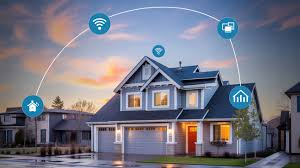
Smart home upgrades have become one of the most sought‑after home improvement trends in the last decade. With the rise of the Internet of Things and connected devices such as Amazon Echo (smart speaker) and Google Nest Hub (smart display), homeowners are transforming ordinary living spaces into intelligent, responsive environments. A smart home upgrade involves integrating advanced technology into ordinary home systems to enhance comfort, energy efficiency, convenience, and security. In this comprehensive guide, we will explore high‑impact smart home upgrades, their benefits, use cases, costs, and how to choose the right devices based on your needs.
What Are Smart Home Upgrades?
Smart home upgrades refer to improvements in your living space that use network‑connected devices to automate tasks, provide remote control, and increase the efficiency of daily routines. These upgrades can be simple and inexpensive such as installing a Philips Hue (smart lighting system) bulb or more advanced like a full Ring Video Doorbell (smart doorbell) installation integrated with a home security system. The goal of smart home upgrades is to create an intelligent ecosystem where devices communicate, adapt, and respond to the homeowner’s preferences.
Benefits of Smart Home Upgrades
Investing in smart home upgrades can produce tangible lifestyle improvements. First, energy savings are one of the most significant advantages. Smart thermostats like ecobee SmartThermostat adjust heating and cooling patterns based on occupancy, leading to reduced utility bills. Second, smart home security improvements elevate safety by providing real‑time notifications and remote monitoring via cameras such as Arlo Pro 4 (wireless security camera). Third, convenience is enhanced through voice control with devices like Apple HomePod (smart speaker) which integrates with Apple HomeKit (smart home platform). Fourth, smart lighting and appliances create an adaptive environment that responds to user behavior, making daily tasks effortless and intuitive.
Core Smart Home Technologies
Smart Speakers and Voice Assistants
Smart speakers and voice assistants are at the heart of most smart home ecosystems. Entities such as Amazon Alexa, Google Assistant, and Apple Siri allow users to interact with devices using natural language. When using an Amazon Echo Dot (smart speaker) or Google Nest Mini (smart speaker), you can control connected devices, set reminders, check weather updates, and control media playback without lifting a finger.
Smart Thermostats
Smart thermostats such as Nest Learning Thermostat and ecobee SmartThermostat replace traditional manual thermostats with adaptive learning algorithms. These devices track your temperature preferences, detect occupancy, and can be controlled remotely through mobile apps. They also provide usage reports that help you optimize energy consumption and cut costs.
Smart Lighting Systems
Smart lighting systems such as Philips Hue and LIFX (smart light bulbs) allow homeowners to customize lighting color, intensity, and schedules. Using apps, voice commands, or automation scenes, you can create lighting moods for activities like reading, movie nights, or hosting guests. Integration with sensors also enables lights to turn on automatically when you enter a room.
Smart Security Systems
Smart security is one of the most critical categories of smart home upgrades. Devices like the Ring Video Doorbell, Arlo Pro 4, and Google Nest Cam (security camera) provide 24/7 monitoring of entrances, backyards, and indoor spaces. These systems often include motion detection, two‑way audio, night vision, and mobile alerts. Some can even integrate with professional monitoring services to offer emergency response in case of intrusion or fire.
Smart Locks and Access Control
Smart locks such as August Smart Lock and Schlage Encode (smart lock) make keys obsolete. These devices allow homeowners to grant temporary access via digital codes, app authorization, or biometric input. Smart locks also record entry and exit logs, providing a secure audit trail for families and guests.
Smart Appliances
Major appliances like refrigerators, ovens, washers, and dryers now come equipped with smart features. Brands such as Samsung SmartThings (smart home platform) and LG ThinQ (smart appliance ecosystem) connect kitchen and laundry appliances to your network. You can receive alerts when cycles are complete, monitor energy use, or preheat ovens remotely before you arrive home.
Smart Shades and Climate Control
Smart shades and blinds automate natural light control and contribute to energy efficiency. Brands such as Lutron Serena (smart shades) and Somfy (motorized blinds) integrate with platforms like Apple HomeKit and Google Home. By scheduling shade positions or linking them to sunrise/sunset cycles, homeowners reduce heating and cooling loads and enhance privacy.
High‑Impact Smart Home Upgrades Worth the Investment
1. Whole‑Home Security and Monitoring
Replacing standalone cameras with an integrated smart security system that includes sensors, cameras, alarms, and monitoring services provides excellent protection. A complete ecosystem like Ring Alarm (home security system) creates a unified security network that can communicate with doorbells, locks, and cameras. This kind of upgrade not only deters break‑ins but also protects against environmental risks like fire and carbon monoxide.
2. Intelligent Climate Control
Installing a Nest Learning Thermostat or ecobee SmartThermostat can reduce heating and cooling costs by up to 20 percent annually. These thermostats adjust temperatures when the home is unoccupied, and some versions include voice assistant integration. Combining smart thermostats with smart ceiling fans or vents further optimizes air circulation and comfort.
3. Automated Lighting
Smart lighting upgrades like Philips Hue or LIFX allow customized scenes and automation rules that tailor your lighting to natural routines. Motion sensors ensure lights are only on when needed, delivering efficiency and convenience. These systems also work well with entertainment setups where lighting adjusts based on content or time of day.
4. Smart Kitchen Renovations
Upgrading your kitchen with smart appliances makes a significant difference in day‑to‑day living. A smart refrigerator with internal cameras lets you view contents from your phone, while a smart oven like June Oven (AI‑powered countertop oven) learns cooking preferences and provides guided recipes. Smart dishwashers and coffee makers add convenience and remote control capabilities that fit busy lifestyles.
5. Enhanced Access Control
Upgrading to smart locks such as August Smart Lock or Schlage Encode eliminates physical keys and adds digital security. Integrating these devices with a smart home platform enables automatic locking based on your phone’s proximity and instant notifications if a door is left open.
Choosing the Right Smart Home Upgrade
Selecting the right smart home upgrade requires understanding your priorities. Energy savings should push you toward smart thermostats and lighting. Security concerns make integrated cameras and smart locks essential. Convenience-driven homeowners may emphasize voice assistants and smart appliances. Compatibility is another crucial consideration; ensure your devices work on a unified platform such as Google Home, Amazon Alexa, or Apple HomeKit. Cross‑platform integrations reduce friction and allow smoother control with routines and automation.
Installation and Setup Tips
Smart home upgrades vary in complexity. Simple smart bulbs and plug‑in devices can often be installed by any homeowner. In contrast, installing smart cameras, door locks, or thermostats may require basic electrical or door frame adjustments. When in doubt, hire a licensed professional electrician or installer. Always update device firmware and secure connected devices with strong passwords. Use guest network features on your router to separate smart devices from sensitive personal data on your primary Wi‑Fi network.
Common Misconceptions About Smart Home Upgrades
Several misconceptions discourage homeowners from adopting smart home upgrades. One common belief is that smart homes are prohibitively expensive. While high‑end devices can be costly, many affordable options like entry‑level smart plugs, sensors, and light bulbs provide excellent value. Another misconception is that complexity makes these upgrades difficult. Today’s devices offer intuitive apps and guided setups to streamline installation.
Future Trends in Smart Home Upgrades
The future of smart home upgrades continues to evolve with innovations in AI, machine learning, and connectivity. Emerging trends include advanced health monitoring through smart devices, AI‑driven automation that predicts needs, and expanded integration with electric vehicle charging and renewable energy management. As standards such as Matter (smart home standard) gain wider adoption, device compatibility across ecosystems will improve, making smart home upgrades more seamless than ever.
Conclusion
Smart home upgrades offer an opportunity to modernize your living space by integrating technology that enhances security, efficiency, comfort, and convenience. From intelligent thermostats like Nest Learning Thermostat to integrated security systems such as Ring Alarm, these upgrades provide long‑term value and transform how homeowners interact with their environment. Whether you are new to smart home technology or looking to expand your current setup, smart home upgrades deliver innovation that simplifies daily life and future‑proofs your home.